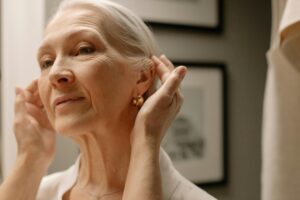

Aging is a natural process, but in today’s world, more people are looking for ways to preserve their youthful appearance for longer. One of the most talked-about treatments in this space is preventive Botox. Unlike traditional Botox, which is typically used to smooth out existing wrinkles, preventive Botox aims to stop fine lines from forming in the first place. This proactive approach has grown in popularity among individuals in their 20s and 30s who want to get ahead of the visible signs of aging.
Table of Contents
What Is Preventive Botox?
Preventive Botox refers to the early use of botulinum toxin injections to reduce repetitive muscle activity that eventually leads to wrinkles. When we smile, frown, or raise our eyebrows, our facial muscles contract. Over time, these repeated expressions cause creases to form in the skin, which may deepen into permanent wrinkles.
By starting treatment earlier, Botox minimizes the movement of key muscles and reduces the chance of those lines becoming etched into the skin. The goal is not to “freeze” expression but to gently soften it, keeping the face natural while slowing down wrinkle formation.

Why Younger People Are Choosing This Treatment
Traditionally, Botox was seen as a solution for people already noticing wrinkles. Today, younger adults are taking a proactive stance. Dermatologists and aesthetic specialists report that millennials and even Gen Z patients are seeking preventive Botox as early as their mid-to-late twenties.
The reasoning is simple: it is easier to prevent deep wrinkles than to treat them once they’ve set in. Just as sunscreen helps prevent sun damage rather than correcting it later, preventive Botox follows the same philosophy—addressing potential problems before they become more difficult to reverse.
Benefits of Preventive Botox
-
Delays visible signs of aging: By limiting repeated muscle contractions, fine lines develop more slowly.
-
Maintains natural facial movement: this treatment uses smaller doses, which means subtle results without the “frozen” look.
-
Potential long-term savings: Fewer wrinkles in the future may mean less reliance on more invasive procedures later.
-
Boosts confidence early: Many patients enjoy knowing they’re taking steps to maintain their appearance proactively.
How Preventive Botox Works
The treatment process is straightforward and similar to standard Botox:
-
Consultation: A licensed provider assesses facial anatomy, expression patterns, and skin condition.
-
Injection: Small amounts of botulinum toxin are injected into targeted muscles, such as the forehead, crow’s feet, or frown lines.
-
Onset: Results typically appear within 3–7 days, with peak effects at around two weeks.
-
Duration: Effects last about 3–4 months, though some patients report longer intervals after consistent treatments.
Because this treatment often uses lower doses, the goal is not to erase wrinkles but to subtly reduce the intensity of expressions that cause them.
Safety and Considerations
Preventive Botox is generally safe when administered by a qualified professional. Botox has been FDA-approved for cosmetic use since 2002 and has decades of research backing its safety profile. However, as with any treatment, there are considerations:
-
Side effects may include temporary redness, swelling, or bruising at the injection site.
-
Not suitable for everyone: People who are pregnant, breastfeeding, or with certain neurological conditions should avoid Botox.
-
Provider expertise matters: Choosing an experienced injector ensures natural results and reduces risks.
For credible insights into Botox, how it works, what to expect, and how to prepare—see the Botulinum toxin therapy: Overview and FAQs pages provided by the American Academy of Dermatology.
Common Misconceptions About Preventive Botox
-
“It will make me look frozen.” When done properly, preventive Botox uses minimal doses to soften expressions, not eliminate them.
-
“I’m too young for Botox.” There is no one-size-fits-all age. The right time depends on genetics, lifestyle, and how your skin responds to facial movement.
-
“I’ll have to keep doing it forever.” While consistency helps maintain results, stopping treatment won’t worsen wrinkles—it just allows natural muscle activity to return.
Who Is a Good Candidate?
-
Individuals who are beginning to notice faint expression lines when smiling, frowning, or raising their eyebrows
-
Those who have strong facial muscle activity that may lead to early wrinkle formation
-
People who want to take a proactive approach to aging without invasive procedures
Lifestyle factors such as sun exposure, smoking, and genetics also play a role. A consultation with a qualified provider can help determine if preventive Botox is a good match for your skin and goals.
Final Thoughts
Preventive Botox represents a shift in how we think about aging—less about correction and more about preservation. By starting earlier, patients may enjoy smoother skin and reduced wrinkle formation over the long term. Like any treatment, the decision should be guided by education, realistic expectations, and consultation with an experienced professional.
If you’d like to hear real experiences from people who have chosen preventive Botox, visit our testimonial and service page to learn more about their journeys and see whether this proactive approach could be right for you.
–
You might want to read The Benefits of Early Anti Aging Treatments