

Table of Contents
- 1 Clearer Skin Starts with Choosing the Right Technology
- 2 Understanding Acne Scar Types and Why They Matter
- 3 How RF Microneedling Works on Deep, Textured Scars
- 4 When Laser Resurfacing Is the Better Acne Scar Treatment
- 5 RF Microneedling vs. Laser: Matching Treatment to Your Skin
- 6 Build Your Personalized Acne Scar Plan Before Summer
- 7 Reveal Smoother, Clearer Skin With Expert Care
Clearer Skin Starts with Choosing the Right Technology
Clear, smooth skin is not just about covering acne scars with makeup. It is about changing the skin below the surface so those marks fade and your texture looks more even long-term. That is why choosing the right acne scar treatment matters so much.
Acne scars are stubborn because they affect more than just the top layer of skin. Breakouts can damage collagen, leave dips or raised areas, and cause leftover red or brown marks. Two of the most powerful tools for this are RF microneedling and laser resurfacing, both used in modern medspas across Agoura Hills, Los Angeles, and Ventura County.
In this guide, we will talk about the different scar types, which ones respond better to RF microneedling, which ones respond better to laser, how skin tone and downtime fit in, and how to plan a custom treatment strategy as we move into longer spring days and closer to summer.
Understanding Acne Scar Types and Why They Matter
Not all acne scars are the same, and they do not respond the same way to treatment. Knowing what you are dealing with is the first smart step.
The main types of acne scars include:
- Atrophic scars
- Hypertrophic and keloid scars
- Post-inflammatory erythema
- Post-inflammatory hyperpigmentation
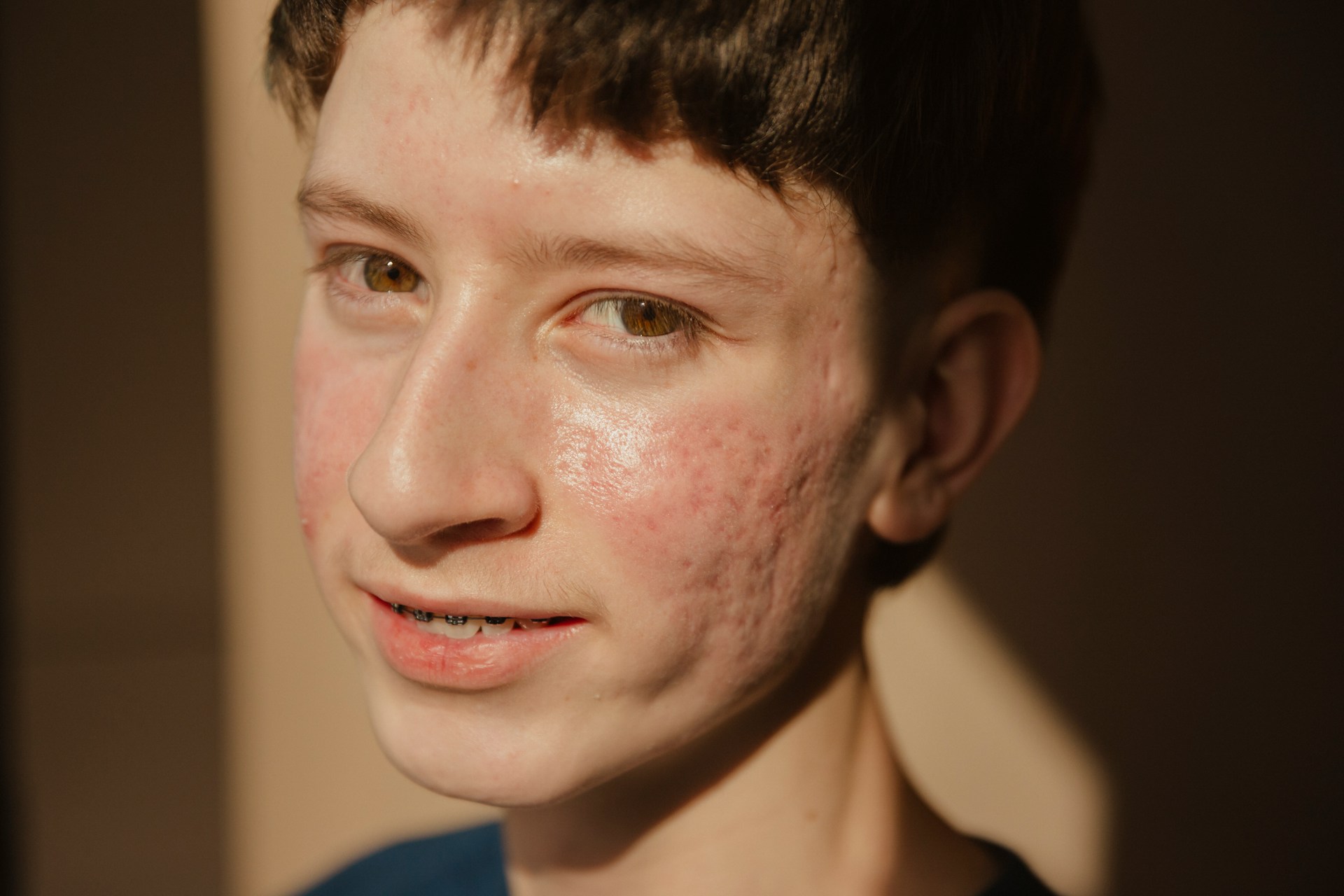
Atrophic scars are the most common acne scars on the face. They sit below the surface and change your texture:
- Ice pick scars: small, deep, narrow pits that look like tiny holes
- Boxcar scars: wider with sharper edges, like small craters
- Rolling scars: broad, shallow dips that make the skin look wavy
Hypertrophic and keloid scars are raised, not indented. They can be firm and sometimes extend beyond the original breakout area.
Then there are marks that are flat but still noticeable:
- Post-inflammatory erythema: leftover red or pink marks
- Post-inflammatory hyperpigmentation: brown or darker spots
These are not true scars, but they make the skin look uneven and can last a long time without help.
Why does this matter? Because each treatment targets different problems:
- Texture and depth
- Color changes like red or brown marks
- Collagen rebuilding under the surface
Skin tone, age, and how long you have had the scars also play a part. Deeper or older scars may need more sessions or mixed approaches. Darker skin tones usually need extra care to lower the risk of new pigment issues, which can affect whether RF microneedling or certain lasers are a better fit.
How RF Microneedling Works on Deep, Textured Scars
RF microneedling combines two tools in one treatment. Tiny needles create controlled micro-channels in the skin, and at the same time, radiofrequency energy is delivered under the surface. This gentle heat encourages your body to make new collagen and remodel old scar tissue while leaving much of the top layer of skin intact.
This treatment is especially helpful for:
- Rolling scars that create soft dips and uneven texture
- Boxcar scars that are shallow to medium in depth
- Some ice pick scars when combined with other methods
- Early, slightly raised scars that can soften as collagen is remodeled
Because RF energy is delivered below the surface, it can be a good option for a wide range of skin tones, including deeper complexions, with a lower chance of unwanted pigment changes compared with some traditional lasers.
If you are in Los Angeles or Ventura County, here is what RF microneedling often looks like in practice:
- Numbing cream is applied for comfort before treatment
- A series of sessions is usually planned, spaced a few weeks apart
- Skin may look pink and feel warm or slightly puffy for a day or two
- Makeup and normal activities often resume fairly quickly
- Results build slowly as collagen develops over several months
The main goal is smoother texture and firmer skin, not a quick overnight change, so patience is important.
When Laser Resurfacing Is the Better Acne Scar Treatment
Laser resurfacing uses light energy to improve the surface and deeper layers of the skin. Some lasers gently heat the skin to trigger collagen growth, while others remove tiny columns or layers of tissue to smooth texture and blend color.
Laser can be especially helpful when you are dealing with:
- Shallow boxcar scars and fine surface roughness
- Mixed acne scars with both texture and color issues
- Stubborn red or brown marks that have not faded with skincare alone
There are several laser approaches, often grouped as:
- Ablative lasers: remove small portions of the outer skin to smooth and resurface
- Non-ablative lasers: heat the skin below the surface without removing the top layer
- Fractional lasers: treat a grid of tiny zones while leaving surrounding skin intact
In general:
- Ablative lasers can give more dramatic texture improvement but come with more downtime
- Non-ablative and fractional treatments tend to have milder downtime with more gradual results
Skin tone is an important part of planning. Some lasers are safer than others for deeper skin tones, and pre- and post-care are key to lowering risk and supporting healing. That can include:
- Gentle skincare and hydrators
- Sun protection with daily SPF
- Avoiding strong actives until your provider clears you
Many people like to time laser sessions for seasons with busy social events in mind, such as planning around spring breaks, graduations, or travel. In sunny Southern California, consistent sun care is always important, but it is especially important during laser healing when the skin is more sensitive to light.
RF Microneedling vs. Laser: Matching Treatment to Your Skin
So how do RF microneedling and laser compare when it comes to acne scar treatment?
Here is a simple side-by-side view:
- Depth of action: RF microneedling targets deeper layers with heat delivered under the skin, while many lasers focus more on the surface and mid-depth layers.
- Collagen and texture: Both help rebuild collagen, but RF microneedling often shines for deeper texture changes, and lasers shine for smoothing the surface and blending tone.
- Downtime: RF microneedling usually has milder visible downtime, while stronger lasers can mean more peeling or crusting for several days.
- Discomfort: Both use numbing for comfort. Some people feel more heat or stinging with certain lasers, while others feel more pressure with RF microneedling.
- Results and sessions: Both are often done in a series, with results building over months and lasting with good skincare and sun habits.
Your skin tone, sensitivity, and history of pigment issues can tilt the choice. For example:
- If you have a deeper skin tone or are prone to dark marks after irritation, RF microneedling may be recommended more often.
- If your main concern is leftover redness and shallow texture, laser resurfacing might be suggested.
- If you have a mix of issues, a blend of both may be ideal.
Modern medspas often use combination strategies like:
- Alternating RF microneedling and fractional laser sessions
- Pairing treatments with collagen stimulators
- Supporting results with medical-grade skincare between visits
This layered approach can give smoother texture, more even tone, and a softer look to both scars and surrounding skin.
Build Your Personalized Acne Scar Plan Before Summer
Spring is a smart time to map out an acne scar plan so your skin can keep improving as summer gatherings, weddings, and vacations show up on the calendar. At AIVI Aesthetics in Agoura Hills, we look at the big picture, not just single spots.
During a professional skin evaluation, you can expect:
- A close look at your scar types and patterns in different lighting
- A review of your skin tone, sensitivity, and any past issues with pigment
- Discussion of your health history, medications, and lifestyle
- A custom plan that might include RF microneedling, laser, or a mix
- A realistic timeline so you know how to plan around work, school, and events
Good questions to bring with you include:
- Which treatment is better for my specific acne scars, RF microneedling or laser?
- How many sessions will I likely need, and how far apart will they be?
- What will my skin look like in the days after each treatment?
- How should I care for my skin before and after sessions?
- Are there options to maintain results once we reach our goals?
When you understand your scar type and how each technology works, it is much easier to feel confident about the path you choose. At AIVI Aesthetics, our goal is to help you make clear, informed choices so your acne scar treatment plan fits your skin, your life, and your long-term goals for smoother, more even-looking skin.
Reveal Smoother, Clearer Skin With Expert Care
If you are ready to address lingering scars and restore confidence in your complexion, our team is here to help with personalized acne scar treatment plans. At AIVI Aesthetics, we carefully evaluate your skin and goals so you receive only the treatments that make sense for you. Connect with our specialists to discuss your options and get answers to your questions, or contact us today to schedule your visit.


