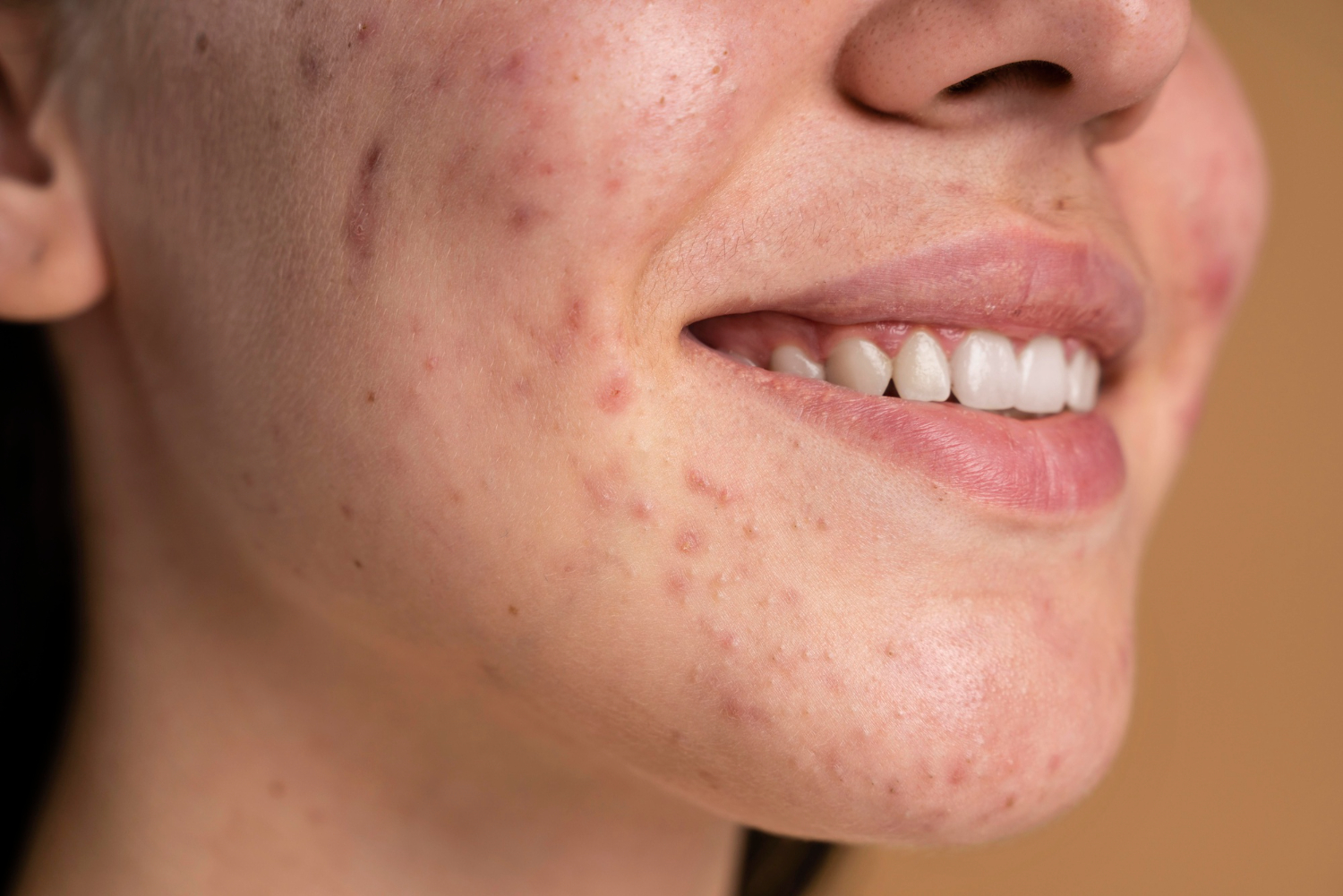

Break Free From Acne Scars with a Smart Treatment Plan
Acne can clear up, but the scars can stick around and feel like they are still running the show. You might see them in every selfie, notice them in bright bathroom lights, or feel yourself posing a certain way in photos so the shadows do not hit your cheeks. It can start to affect how you show up at work, with friends, and on social media.
The good news is that acne scars are not all the same, and that is actually a positive thing. When we know what type of scar you have, we can choose smarter treatments instead of guessing. If you live in Thousand Oaks, Agoura Hills, Westlake Village, Calabasas, or nearby, that first step is learning what is going on in your skin.
Think of this as a simple scar type decision tree. We will walk through ice pick, rolling, and boxcar scars, then talk about when treatments like subcision, TCA CROSS, or filler might make sense. At our medical spa, we use a skin-first approach, focusing on collagen, texture, and lifestyle, including all that strong Southern California sun that your skin deals with almost every day.
Step One: Identify What Type of Acne Scars You Have
Before we talk about scar types, it helps to know what is not a true scar. Some marks look scary but are actually color changes in the skin, not dents.
You might see:
- Post-inflammatory erythema: pink or red spots that show up after pimples
- Post-inflammatory hyperpigmentation: brown marks or darker spots
These can be stubborn, but they sit more on the surface. They usually respond to things like sun protection, gentle exfoliation, and pigment-focused skincare. True acne scars are different. They are indented, change your skin texture, and need deeper structural help.
The three main indented, or atrophic, scar types are:
- Ice pick scars: tiny, narrow, deep pits that almost look like someone poked the skin with a sharp needle. They can look like extra-deep pores.
- Rolling scars: soft, wavy dips in the skin that are most obvious in side lighting. They make the skin look uneven or like small hills and valleys.
- Boxcar scars: wider scars with sharper edges, like small craters or punched-out marks. They can be shallow or deeper, but the edges are more defined.
Many people do not have just one type. It is very common to have a mix, like rolling scars on the cheeks and a few ice pick scars on the temples. An in-person visit with a licensed aesthetic provider is the best way to see how thick your skin is, where volume is missing, and which scars need which tools.
Treatment Paths for Ice Pick, Rolling, and Boxcar Scars
Once you know your main scar type, the treatment path gets much clearer. Here is a simple way to think about it.
If your scars are mostly ice pick scars, tiny and very deep, they often need very targeted work. Standard microneedling on its own usually cannot reach the base of those scars very well. A focused technique like TCA CROSS is often used to stimulate collagen from the bottom of each pit.
If your scars are mostly rolling scars, with soft, wavy dips, they tend to be held down by fibrous bands under the surface. These scars usually respond better to treatments that release those bands and build collagen, such as:
- Subcision
- Microneedling with or without radiofrequency
- Collagen-stimulating injectables in some cases
If your scars are mostly boxcar scars, with sharper, crater-like edges, it often takes a blend of methods. These might include resurfacing treatments like certain lasers or advanced microneedling devices, and sometimes focal TCA CROSS or filler to soften the edges and lift the base.
For most people, the best acne scar treatment plan is a layered one. That might mean a series of sessions that mix:
- Structural treatments like subcision
- Collagen work with microneedling or RF
- Surface work like peels or focused chemical treatments
- Supportive medical-grade skincare to keep the barrier calm and strong
Over-the-counter products are helpful for tone and overall skin health, but they rarely change moderate or severe indented scars in a big way. A customized plan at a medical spa allows us to match the treatment to your exact scars instead of relying on one-size-fits-all promises.
When to Add Subcision, TCA CROSS, or Filler for Best Results
Some tools are especially helpful when we add them at the right time in your plan.
Subcision is a minor in-office procedure that targets rolling scars and some tethered boxcar scars. Using a special needle or cannula, your provider gently breaks up the tight fibrous bands under the scar. This releases the scar, lets the skin lift a bit, and gives your body room to lay down new collagen. Subcision is often paired with microneedling, radiofrequency, or collagen stimulators to encourage smoother texture as the area heals.
TCA CROSS stands for Chemical Reconstruction of Skin Scars. In this treatment, a high-strength TCA acid is carefully placed into individual ice pick scars and some narrow boxcar scars. The goal is to create a controlled injury in the base of the scar so your body builds new collagen from the bottom up. This is ideal for pinpoint scars that many lasers and peels struggle to reach deeply enough.
Fillers and collagen stimulators can also play an important role. Hyaluronic acid fillers can be placed under certain atrophic scars to lift them and soften shadows. Biostimulators like Sculptra or Radiesse give more of a slow, collagen-building effect, which is useful for areas with many shallow scars or general volume loss in the cheeks and temples. For natural-looking results, it is important that your injector understands how scars behave and aims for soft, balanced changes, not an overfilled look.
Seasonal Timing, Downtime, and Skin Protection in Southern California
Living in areas like Thousand Oaks and Agoura Hills means plenty of sunny days, outdoor workouts, beach weekends, and time on hiking trails. All that UV exposure is part of why timing matters when you plan acne scar treatment.
Some treatments are more summer-friendly, such as:
- Gentler microneedling sessions
- Subcision, with strict sunscreen use and limited sun right after treatment
- Light chemical peels that do not cause heavy peeling or long redness
More aggressive resurfacing, deeper peels, or strong laser sessions are often better planned for times when you are not in direct sun as much, like later in the year or when your schedule naturally keeps you more indoors. This lowers the risk of new pigment issues on healing skin.
No matter the season, skin protection is non-negotiable. We usually suggest:
- Daily broad-spectrum SPF 30 or higher, reapplied when you are outdoors
- Physical protection like hats, sunglasses, and seeking shade when possible
- A simple, non-irritating skincare routine focused on barrier support, gentle exfoliation when appropriate, and pigment control if you are prone to dark marks
Working with a provider to map out a year-long or multi-season plan lets you stack treatments in a smart order. That way, your skin has time to heal, build collagen, and handle the strong Southern California light safely while you move toward smoother, more even skin.
Reveal Smoother, More Confident Skin Today
If acne scars are keeping you from feeling your best, we are here to help you take the next step toward clearer, more even skin. Explore our personalized options for acne scar treatment and discover which approach is right for your unique skin. At AIVI Aesthetics, we carefully evaluate your concerns and goals to create a plan tailored just for you. Ready to get started or have questions about what to expect? Simply contact us to schedule your consultation.