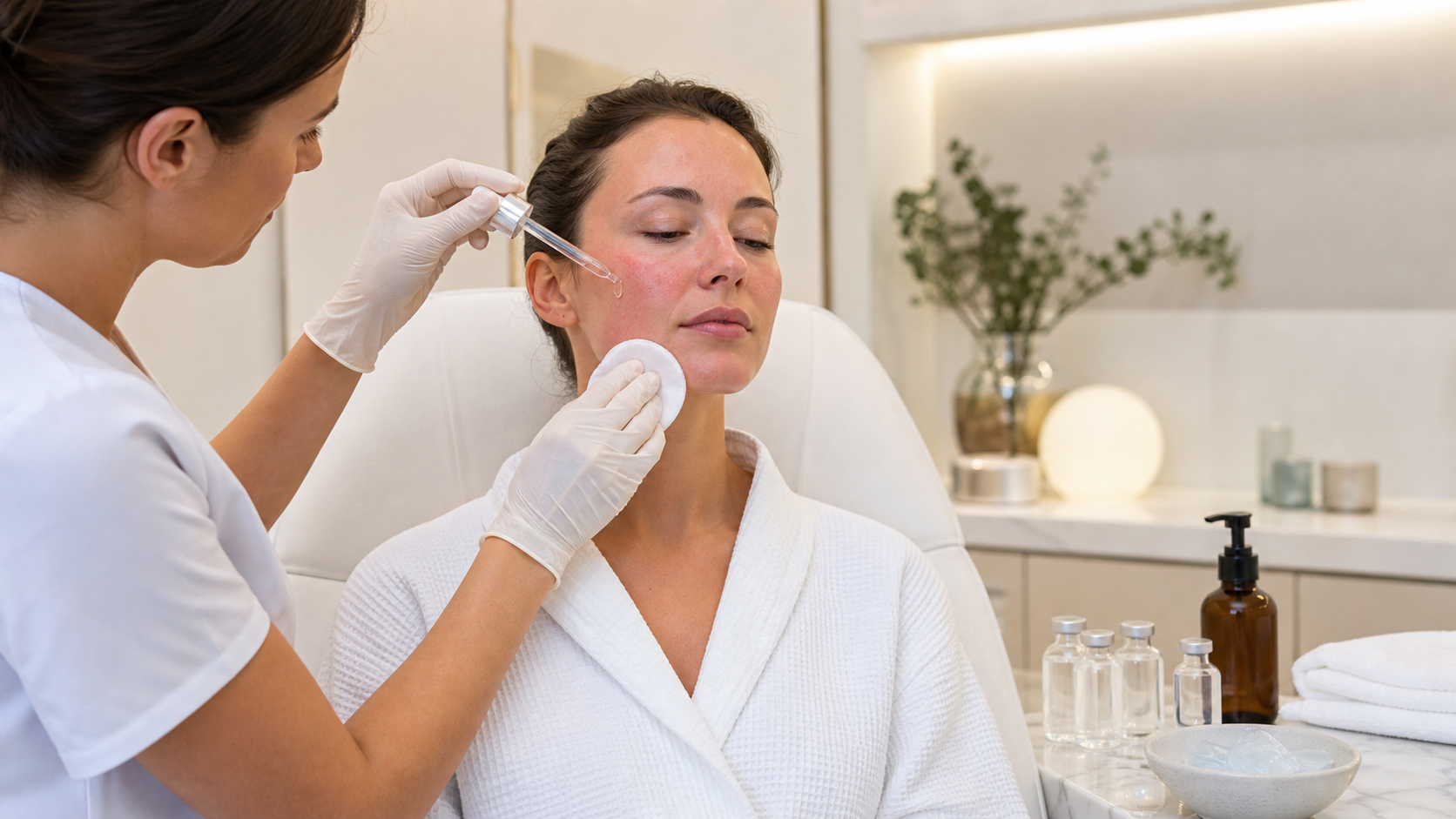

Soothe the Burn, Support the Glow
A long day on the sand in Malibu can feel perfect until you get home, shower, and notice your skin looks hot, tight, and angry red. Suddenly you are not just worried about the sting, you are thinking about peeling, lines, and sunspots that might show up later in the season. Smart repair after a sunburn is not only about comfort, it is about long-term skin health.
When skin is burned, it is under stress. The way you treat it in the first days and weeks can affect collagen, texture, and pigment down the road. That is where polynucleotide skin treatment can come in as part of a smart plan, helping support repair at a deeper level. Timing is everything, though, and your skin barrier needs care first.
At our med spa in Agoura Hills, we work with clients from Malibu, Los Angeles, and Ventura County who love the sun but also want natural, healthy-looking skin. Let us walk through what sunburn really does, when polynucleotide treatments make sense, what to avoid, and how to pair everything with barrier repair for a smooth, steady glow all summer.
What Sunburn Really Does to Your Skin
A sunburn is not just “a little red.” It is a sign of UV damage inside your skin. UV light hits your skin cells, harms their DNA, and triggers inflammation. That is why the area feels hot, tight, and tender, and why color can shift from pink to deep red.
Short term, you might notice:
- Pain, soreness, or itching
- Swelling or puffiness
- Blisters in more serious burns
- Peeling and flaking a few days later
Long-term, repeated burns can lead to:
- Fine lines and wrinkling
- Rough or uneven texture
- Dark spots or patches of pigment
- Visible blood vessels at the surface
Your skin barrier, the outer layer that keeps moisture in and irritants out, becomes fragile after a burn. Tiny cracks form, natural oils drop, and your skin loses water faster. When that barrier is weak, it can react more strongly to products and treatments that usually feel fine.
That matters if you are thinking about in-office services. Lasers, deep peels, strong microneedling, or even polynucleotide injections can be too much for skin that is still in the “ouch” phase. Add Malibu life on top of it, with strong UV, ocean salt, pool chlorine, and wind, and the risk of irritation and dehydration stacks up quickly.
When It Is Safe to Consider Polynucleotide Skin Treatment
Polynucleotide skin treatment is different from a classic “filler.” It uses highly purified DNA fragments that are placed into the skin to support repair processes, hydration, and collagen activity. The goal is not to puff or overfill, but to help skin act more like its younger, healthier self over time.
Still, this treatment is not meant for skin that is actively burned. It should not be done on areas that are:
- Bright red, hot, or very sore
- Blistered or oozing
- Peeling in sheets or cracking
Your skin needs to move from the acute injury stage into a calmer recovery stage first. Some general signs the area may be ready to discuss treatment include:
- Redness has faded to a soft pink or close to normal tone
- No active blisters or open areas
- Peeling has mostly stopped, and new skin looks intact
- The area no longer feels hot to the touch
Timing can vary, but a mild pink burn might settle faster than a deeper, bright red burn that peels heavily. At our clinic, we never guess. We look closely at the skin, ask about recent sun time, skin history, and any medications or products that might make you more sensitive to light. From there, we guide you on when polynucleotide treatment fits safely into your plan.
What to Avoid After Sunburn and Before Treatment
After a burn, less is often more. This is not the time to attack your skin with every “brightening” or “anti-aging” product on your shelf. Some things are especially risky and can slow healing or increase irritation.
Try to avoid:
- Harsh scrubs or rough washcloths
- Strong retinoids, high-strength vitamin C, or strong acids
- Hot showers, hot tubs, or steam rooms on the burned area
- Picking at peeling skin or popping blisters
- Intense workouts that cause heavy sweating on open or very sore skin
In office, many aggressive services are usually postponed after a fresh burn, such as:
- Deep or fully ablative laser resurfacing
- Strong chemical peels
- Heat-heavy energy devices on the recently burned area
It can also be tempting to copy a “viral” routine or buy a stack of trendy actives. On a compromised barrier, this can backfire with:
- Extra redness and stinging
- Post-inflammatory hyperpigmentation (dark marks after irritation)
- Long-lasting sensitivity and dryness
A thoughtful plan, especially in a sun-heavy area like Malibu, matters. Professionally sequenced care lets you enjoy support such as polynucleotide treatments at the right time, while spacing stronger services away from recent burns and big beach or pool days.
Pairing Polynucleotides with Barrier Repair for Faster Recovery
Barrier repair is the non-negotiable first step. When your barrier is calm and supported, your skin can respond better to polynucleotide treatment and feel more comfortable during and after sessions.
A simple barrier-first home routine often includes:
- A gentle, fragrance-free cleanser
- A rich, ceramide-based moisturizer
- A non-irritating antioxidant, if your skin tolerates it
- A broad-spectrum mineral SPF, reapplied as directed
Once the skin is stable, polynucleotide injections can be added to support deeper repair and collagen activity. At the same time, supportive, non-irritating treatments can help comfort and resilience, such as:
- Hydrating, barrier-focused facials
- LED light sessions chosen for healing support
- Soothing gel or cream masks that focus on moisture
For Malibu days, we also suggest being strategic:
- Rinse off ocean salt and sand as soon as you leave the beach
- Reapply sunscreen often during long outdoor days
- Use soft, cool cloths instead of hot water on recently burned areas
- Lean on a restorative night routine after sun, with gentle cleansing and layering of calming, barrier-focused products
This kind of pairing lets polynucleotide treatment work in the context of a strong foundation, not on stressed, overworked skin.
Your Malibu Post-Sunburn Plan with Professional Support
The smart sequence looks simple on paper: calm the burn, rebuild the barrier, then consider polynucleotide skin treatment and other rejuvenating options for long-term radiance. In practice, timing, product choices, and treatment spacing matter a lot, especially with regular sun exposure.
Many Malibu clients end up with a rhythm like this:
- First days: focus on cooling, gentle cleansing, and barrier-safe moisture and sun protection
- Short term: a check-in visit for barrier repair support, soothing treatments, and custom product guidance
- Following weeks: once the skin is stable, a personalized series of polynucleotide sessions, paired with gentle in-office rejuvenation that fits their sun habits
At AIVI Aesthetics in Agoura Hills, we build these plans around real life in Southern California, not a perfect world where you sit indoors all season. Our focus is on natural-looking results, respect for your skin barrier, and long-term health, so you can enjoy the beach while still caring for your glow.
Reveal Your Best Skin With Targeted Regeneration
Experience how our polynucleotide skin treatment can boost your skin’s repair processes for smoother texture, improved elasticity, and a healthier glow. At AIVI Aesthetics, we tailor every session to your skin’s unique needs so you can feel confident about your results. If you are ready to take the next step, contact us to schedule your personalized consultation today.