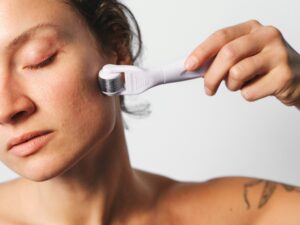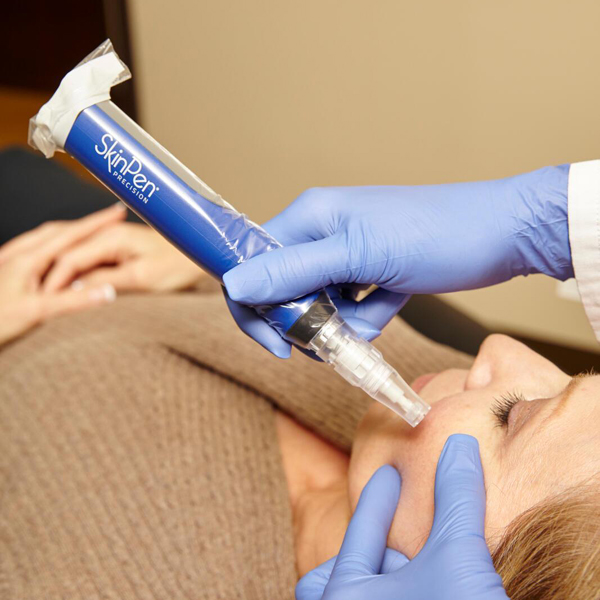

Microneedling is often associated with a temporary post-treatment glow, but its real value lies far beyond short-term radiance. Microneedling long-term skin improvement occur because the treatment works by stimulating the skin’s natural healing and regenerative processes and this mechanism unfolds gradually, not overnight.
Also known as collagen induction therapy, microneedling creates controlled micro-injuries in the skin to activate wound-healing pathways. These pathways drive collagen production, elastin formation, and tissue remodeling over time. Understanding this biological timeline helps explain why microneedling is not a one-off solution, but rather a long-term investment in skin health.
Table of Contents
- 1 Microneedling Long-Term Skin Improvement Begin Below the Surface
- 2 Why Microneedling Is Not an Overnight Fix
- 3 Microneedling Long-Term Skin Improvement Depend on Consistent Treatment Cycles
- 4 Why Long-Term Commitment Matters: Real-World Observations
- 5 What Happens During Treatment and Recovery
- 6 Long-Term Skin Improvement You Can Expect Over Time
- 7 Maintenance and Long-Term Skin Health
- 8 So, What’s The Takeaway?
Microneedling Long-Term Skin Improvement Begin Below the Surface
Unlike superficial treatments that focus primarily on exfoliation or hydration, microneedling long-term skin improvement originate in the dermis—the layer of skin responsible for structure, strength, and elasticity.
The controlled microchannels created during treatment stimulate the release of growth factors that activate fibroblasts, the cells responsible for producing collagen and elastin. Because these proteins form the framework that supports smooth, resilient skin, meaningful improvements require time for synthesis, organization, and maturation.
This deep, biological mechanism is precisely why microneedling results are gradual yet durable.
Why Microneedling Is Not an Overnight Fix
The Initial Inflammatory Phase (Days 1–3)
Immediately following microneedling, the skin enters an inflammatory phase. Increased blood flow and immune activity support early repair, often presenting as redness, warmth, or mild swelling. While this stage may create a short-lived glow, it does not reflect structural change.
The Proliferative Phase (Weeks 2–6)
In the weeks after treatment, fibroblasts actively produce new collagen and elastin. This is when early improvements in texture and firmness may begin to appear. However, collagen production peaks weeks after treatment and not immediately, underscoring why patience is essential.
The Remodeling Phase (2–6 Months and Beyond)
True microneedling long-term skin improvements occur during the remodeling phase. Newly formed collagen fibers reorganize and strengthen, transitioning from early, less structured collagen to more resilient forms. This process continues for months, even after visible healing has occurred.
Microneedling Long-Term Skin Improvement Depend on Consistent Treatment Cycles
Microneedling is not considered a continuous treatment in the sense of weekly or constant sessions. Instead, it is delivered in planned cycles, with each session spaced to allow the skin to complete its healing and collagen-building phases.
Clinical protocols typically recommend:
-
A series of 3–6 sessions
-
Treatments spaced 4–6 weeks apart
-
Additional sessions for more advanced concerns such as deeper scarring or texture irregularities
Spacing sessions correctly is critical. Performing treatments too close together can disrupt healing, while spacing them too far apart may limit cumulative collagen stimulation. Consistency—rather than frequency—is what supports microneedling long-term skin improvement.
Why Long-Term Commitment Matters: Real-World Observations
Among individuals who have pursued microneedling over extended periods, a consistent theme emerges: results accumulate slowly but meaningfully. Many report that noticeable improvements in skin texture, firmness, and overall quality became evident only after several sessions spread across months.
Rather than dramatic changes after a single appointment, the most significant benefits were observed with:
-
Repeated treatments over time
-
Proper recovery between sessions
-
Long-term maintenance rather than short-term expectations
These experiences reflect what dermatologic research shows: collagen remodeling is cumulative, and visible improvements are the result of repeated biological stimulation rather than isolated treatment.
What Happens During Treatment and Recovery
A typical microneedling session lasts approximately 30 to 60 minutes, depending on the treatment area and technique. The procedure itself is brief, but the biological work begins afterward.
Recovery includes:
-
Redness and sensitivity lasting 24–72 hours
-
Gradual normalization of the skin barrier
-
Ongoing collagen production for weeks after each session
While downtime is relatively short, the waiting period for results is intentional. Microneedling long-term skin improvement depend on allowing the skin sufficient time to rebuild and reorganize tissue naturally.
Long-Term Skin Improvement You Can Expect Over Time
When microneedling is approached as a long-term strategy rather than a single-event treatment, patients may experience:
-
Smoother, more even skin texture
-
Gradual reduction in the appearance of fine lines
-
Improved firmness and elasticity
-
Softer appearance of shallow scars
-
Enhanced skin resilience and overall quality
These improvements often continue to evolve for several months after completing a treatment series.
Maintenance and Long-Term Skin Health
After an initial series of treatments, maintenance sessions—often scheduled every 6 to 12 months—can help preserve collagen levels and counteract ongoing skin aging. This approach supports sustained results without over-treating the skin.
Viewed this way, the treatment is not about chasing perfection, but about reinforcing skin health over time through controlled, evidence-based stimulation.
So, What’s The Takeaway?
Microneedling is not designed for instant transformation. Its strength lies in its ability to work with the body’s natural healing processes, producing changes that are structural, gradual, and lasting.
Ultimately, long-term skin improvement from microneedling are achieved through consistency, proper spacing, and realistic expectations. It’s an investment in skin health rather than a short-term cosmetic fix.
Curious whether microneedling fits into your long-term skin care plan? A professional consultation can help determine the right timing, session spacing, and expectations, so your results are built on science, not guesswork.
Schedule a consultation to learn more | Call: (818) 851 9900 | Visit: | Email: info@aiviaesthetics.com
–
You might want to read Is Microneedling Safe While on Medications?