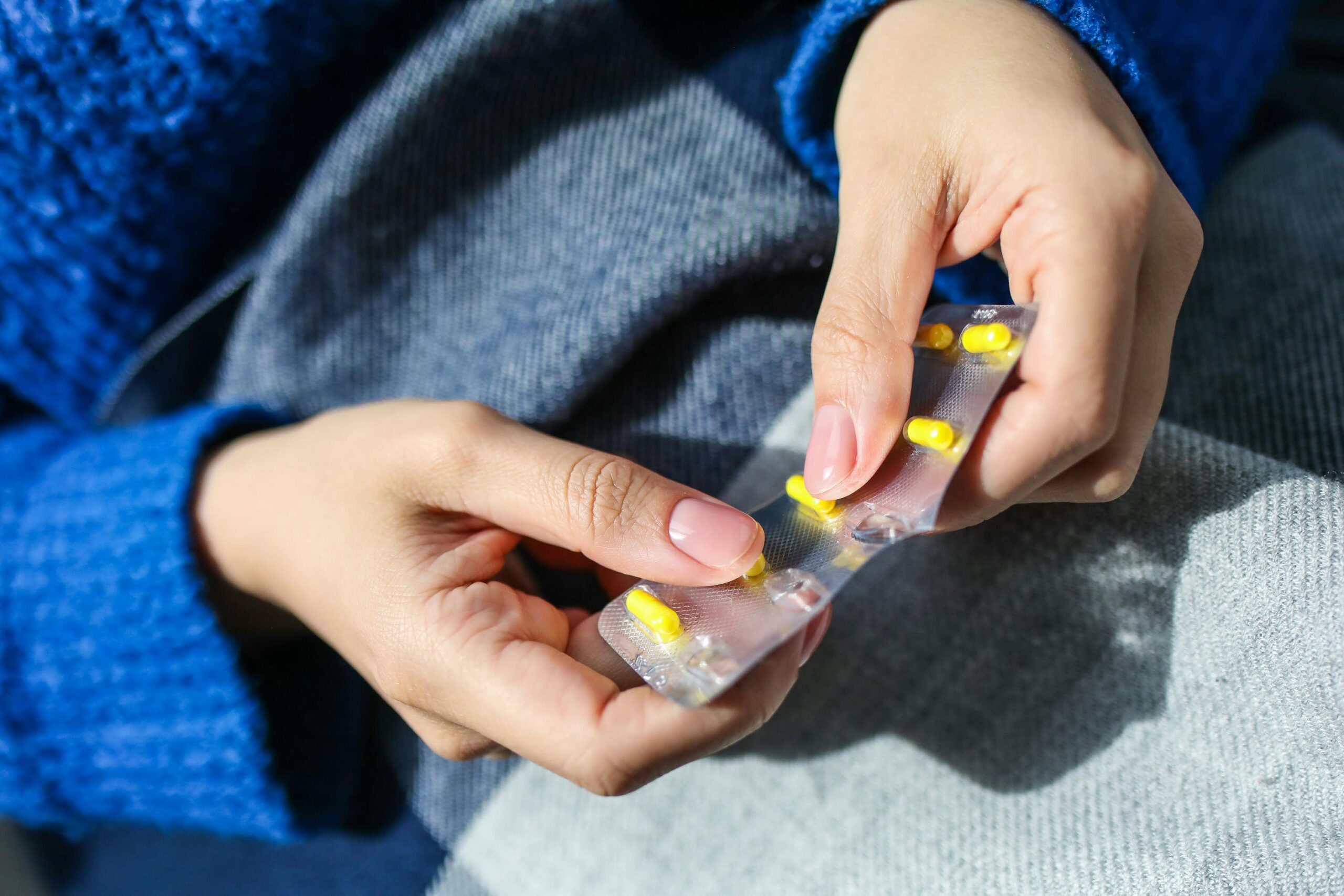

Medications to Avoid Before Microneedling: What Is Safe and What Should You Stop?
What medications should you avoid before microneedling? Certain medications and skincare products may increase bleeding, bruising, irritation, infection risk, or delayed healing after microneedling. These include anticoagulants, antiplatelet medications, oral isotretinoin, topical retinoids, certain immunosuppressants, and some exfoliating skincare ingredients.
However, not all medications need to be stopped.
Never discontinue a prescribed medication simply because you are scheduling microneedling. Some medications, particularly blood thinners, are prescribed to prevent serious medical complications. Stopping them without medical supervision may be more dangerous than postponing an elective skin treatment.
At AIVI Aesthetics Skin Health Clinic in Agoura Hills, we review your medical history, prescriptions, supplements, and skincare routine before recommending microneedling.
Our goal is to improve skin texture, acne scars, and fine lines while minimizing avoidable risks.
This guide explains which medications require additional consideration, when treatment may need to be postponed, and how to prepare your skin safely.
Why Do Medications Matter Before Microneedling?
Microneedling is a minimally invasive procedure that creates controlled microscopic punctures in the skin.
These injuries stimulate a wound-healing response that may promote collagen remodeling over time.
Microneedling may improve the appearance of:
- Acne scars
- Fine lines and wrinkles
- Uneven skin texture
- Enlarged-looking pores
- Certain types of superficial scarring
However, the procedure temporarily disrupts the skin barrier.
Your body must be able to control bleeding, respond to potential infection, and repair the treated tissue.
Some medications influence these processes.
For example, anticoagulants can increase bleeding, immunosuppressants may affect infection risk, and certain topical skincare products may increase irritation.
This does not mean that everyone taking these medications is automatically ineligible for treatment.
It means that medication history is part of determining whether microneedling is appropriate.
Medications to Review Before Microneedling
The following table summarizes common medications and products that should be discussed with your provider.
| Medication or Product | Why It Matters | General Recommendation |
|---|---|---|
| Warfarin, apixaban, rivaroxaban, dabigatran | Increased bleeding or bruising risk | Do not stop independently; obtain individualized assessment |
| Aspirin, clopidogrel, ticagrelor | Affect platelet function and bleeding | Continue unless the prescribing clinician directs otherwise |
| Ibuprofen, naproxen | May affect platelet function and bruising | Discuss use; do not stop medically necessary treatment without guidance |
| Oral isotretinoin | Device labeling, skin condition, and healing considerations | Review current or recent use before booking |
| Tretinoin, adapalene, tazarotene | May increase irritation and sensitivity | A temporary skincare pause may be recommended |
| Corticosteroids | Systemic use may affect immune response and healing | Review dose, route, and duration; do not stop abruptly |
| Immunosuppressants and biologics | May affect infection risk and healing | Individualized medical review |
| Antibiotics | May indicate an active infection; some affect skin sensitivity | Usually not an automatic reason to stop treatment |
| Chemotherapy medications | May affect immune function and tissue repair | Coordinate with the treating specialist |
| Fish oil, vitamin E, ginkgo | Possible bleeding-related considerations depending on product and dose | Disclose use; assess individually |
| Glycolic acid, salicylic acid, exfoliating products | May increase irritation after treatment | Temporarily pause when recommended |
This table is not a medication-discontinuation schedule. It identifies treatments and products that require review before an elective procedure.
1. Blood Thinners and Anticoagulants Before Microneedling
Blood-thinning medications are among the most important medications to disclose before microneedling.
Examples include:
- Warfarin (Coumadin, Jantoven)
- Apixaban (Eliquis)
- Rivaroxaban (Xarelto)
- Dabigatran (Pradaxa)
- Edoxaban (Savaysa)
- Heparin
- Enoxaparin (Lovenox)
These medications reduce the risk of dangerous blood clots.
They may be prescribed for conditions such as atrial fibrillation, previous blood clots, mechanical heart valves, or other cardiovascular conditions.
Can You Get Microneedling While Taking Blood Thinners?
Microneedling involves needles entering the skin, so some pinpoint bleeding can occur even in patients who do not take anticoagulants.
Patients taking blood thinners may have an increased risk of:
- Bruising
- Prolonged bleeding
- Hematoma formation
- More noticeable post-treatment discoloration
Whether treatment is appropriate depends on the medication, medical indication, skin condition, device, and intended treatment depth.
Some patients may be advised to postpone microneedling or choose a different procedure.
Should You Stop Eliquis or Warfarin Before Microneedling?
No medication should be stopped without direction from the clinician managing it.
Abruptly interrupting anticoagulation can increase the risk of stroke, blood clots, and other serious complications.
Because microneedling is elective, postponing the cosmetic procedure may be safer than changing an essential medication.
At AIVI Aesthetics, patient safety takes priority over scheduling convenience.
2. Aspirin and Antiplatelet Medications
Aspirin and other antiplatelet medications affect platelet activity.
Examples include:
- Aspirin
- Clopidogrel (Plavix)
- Ticagrelor (Brilinta)
- Prasugrel (Effient)
These medications may increase bruising or bleeding during procedures involving skin punctures.
Can You Get Microneedling While Taking Aspirin?
The answer depends on why you take aspirin.
Some patients take aspirin for cardiovascular protection following a heart attack, stroke, or placement of a coronary stent.
Others may use aspirin occasionally for pain.
These situations should not be treated the same way.
If aspirin was prescribed for cardiovascular protection, do not stop it without approval from the prescribing clinician.
If your provider determines that microneedling is inappropriate while you remain on antiplatelet therapy, an alternative skin treatment may be considered.
3. Ibuprofen, Naproxen, and Other NSAIDs
Nonsteroidal anti-inflammatory drugs, or NSAIDs, include:
- Ibuprofen (Advil, Motrin)
- Naproxen (Aleve)
- Aspirin
These medications may affect platelet function to varying degrees.
Some providers recommend avoiding nonessential NSAID use around procedures to minimize bruising.
However, there is no universal microneedling-specific rule requiring every patient to discontinue NSAIDs for a fixed number of days.
Should You Avoid Ibuprofen Before Microneedling?
Tell your provider if you recently took ibuprofen or naproxen.
Your clinician can determine whether treatment should proceed based on your medical history and the procedure.
If an NSAID is prescribed for an ongoing medical condition, do not change the regimen without consulting the appropriate clinician.
4. Oral Isotretinoin (Accutane) and Microneedling
Oral isotretinoin is a prescription medication used to treat certain forms of severe acne.
It is commonly known by the former brand name Accutane.
Historically, patients were often advised to wait 6–12 months after completing isotretinoin before undergoing procedures that injure the skin.
However, more recent evidence has challenged the need for a universal prolonged waiting period for every type of minimally invasive skin procedure.
This does not mean microneedling is automatically appropriate during isotretinoin treatment.
Can You Get Microneedling While Taking Accutane?
The decision requires individualized assessment.
The FDA’s general microneedling safety guidance identifies current isotretinoin use or use within the previous six months as a factor that may make treatment unsuitable.
Specific microneedling devices may also have their own contraindications and precautions.
A clinician should consider:
- Current isotretinoin use
- Date of the last dose
- Active acne severity
- Skin dryness and irritation
- Healing history
- Treatment depth
- Specific device instructions
- Risk of scarring or pigmentation changes
Some contemporary dermatology literature supports shorter intervals for selected procedures, but these findings should not override applicable device labeling or individual medical judgment.
Do not discontinue isotretinoin on your own to qualify for microneedling.
Discuss the timing with your dermatologist and treating provider.
5. Topical Retinoids: Tretinoin, Retinol, Adapalene, and Tazarotene
Topical retinoids are commonly used for acne, photoaging, and uneven skin texture.
Examples include:
- Tretinoin (Retin-A)
- Adapalene (Differin)
- Tazarotene
- Retinol
- Retinaldehyde
These ingredients influence skin-cell turnover and may cause dryness, peeling, or irritation.
Should You Stop Tretinoin Before Microneedling?
Many clinicians recommend temporarily pausing topical retinoids before microneedling.
The timing varies based on:
- Retinoid strength
- Frequency of use
- Skin sensitivity
- Presence of irritation
- Planned treatment intensity
A common practice is to pause potentially irritating retinoids for several days before treatment, but this is not a universal evidence-based requirement.
Patients with an impaired skin barrier may need additional recovery time.
When Can You Restart Retinol After Microneedling?
Retinoids should generally be restarted only after the skin has recovered sufficiently.
If your skin remains red, tender, peeling, or irritated, it may be too early to resume active ingredients.
Follow your provider’s specific aftercare instructions.
6. Corticosteroids and Microneedling
Corticosteroids are used to treat inflammatory, autoimmune, allergic, and other medical conditions.
Examples include:
- Prednisone
- Methylprednisolone
- Dexamethasone
- Hydrocortisone
- Topical corticosteroid creams
The clinical considerations depend on the dose, route, duration, and reason for treatment.
Why Do Steroids Matter?
Systemic corticosteroids, especially at higher doses or with prolonged use, can affect immune function and wound healing.
Patients may have increased susceptibility to infection or changes in tissue repair.
However, a short course of medication and long-term systemic immunosuppression do not carry identical risks.
Should You Stop Prednisone Before Microneedling?
No. Do not abruptly discontinue prescribed corticosteroids.
Sudden withdrawal after sustained systemic steroid use can cause serious medical complications, including adrenal insufficiency.
Your provider may recommend postponing elective microneedling until your underlying medical condition and medication regimen are stable.
7. Immunosuppressants and Biologic Medications
Some medications reduce or modify immune-system activity.
Examples include:
- Methotrexate
- Cyclosporine
- Tacrolimus
- Mycophenolate
- Adalimumab (Humira)
- Infliximab (Remicade)
- Other biologic therapies
These medications are prescribed for conditions such as autoimmune disease, inflammatory disorders, and organ transplantation.
Can You Get Microneedling While Taking Immunosuppressants?
Possibly, but treatment requires careful assessment.
Potential concerns include:
- Infection risk
- Delayed healing
- Active underlying disease
- Additional medications
- Skin fragility
Not every immunosuppressant has the same effect, and the risk varies considerably between patients.
Do not skip a biologic injection or discontinue an immunosuppressant solely for cosmetic treatment without approval from your prescribing specialist.
If the risk is unacceptable, microneedling should be postponed.
8. Antibiotics and Microneedling
Antibiotics do not automatically make microneedling unsafe.
The more important question is why the patient is taking them.
For example, someone taking an antibiotic for an active facial skin infection may need to postpone treatment.
A patient taking a long-term antibiotic for another condition may require a different assessment.
Can You Get Microneedling While Taking Doxycycline?
Doxycycline is commonly prescribed for acne and rosacea.
It can increase sensitivity to sunlight, but photosensitivity alone is not a universal contraindication to mechanical microneedling.
However, active inflammation, infection, and the patient’s overall skin condition may affect treatment suitability.
There is no established requirement that everyone taking doxycycline must wait one or two weeks after completing treatment before microneedling.
Do not stop prescribed antibiotics without medical guidance.
9. Acne Medications and Microneedling
Patients receiving microneedling for acne scars often use prescription or over-the-counter acne treatments.
These may include:
- Benzoyl peroxide
- Salicylic acid
- Tretinoin
- Adapalene
- Azelaic acid
- Oral antibiotics
- Isotretinoin
Some topical products can irritate the skin, particularly when the skin barrier has been disrupted.
Your provider may recommend temporarily pausing selected topical treatments.
Can You Get Microneedling With Active Acne?
It depends on the type and severity of acne.
Microneedling directly over inflamed, infected, or cystic lesions may worsen irritation and increase complications.
Patients with active inflammatory acne may need treatment to control breakouts before addressing acne scars.
A scar-treatment plan should begin with identifying whether the concern is active acne, residual pigmentation, or true scarring.
10. Fish Oil, Vitamin E, and Herbal Supplements
Supplements are often overlooked during medical consultations.
Patients may assume that products labeled natural cannot affect a procedure.
However, certain supplements can influence bleeding risk or interact with medications.
Examples worth disclosing include:
- Fish oil or omega-3 supplements
- High-dose vitamin E
- Ginkgo biloba
- Garlic supplements
- Ginseng
- Turmeric or curcumin supplements
The clinical evidence and bleeding effects vary considerably among these products.
For example, routine fish-oil supplementation has not consistently been shown to cause clinically significant procedural bleeding.
Therefore, it would be inaccurate to say that every patient must discontinue fish oil before microneedling.
Should You Stop Supplements Before Microneedling?
Provide your clinician with a complete supplement list, including doses.
Your provider can assess whether any products should be temporarily paused.
Avoid changing supplements used for a documented medical indication without appropriate guidance.
11. Blood Pressure and Heart Medications
Patients sometimes ask whether they can receive microneedling while taking medications for blood pressure or heart disease.
Common medications include:
- Amlodipine
- Losartan
- Lisinopril
- Metoprolol
- Carvedilol
- Hydrochlorothiazide
These medications do not automatically prevent microneedling.
However, the underlying medical condition and any additional medications may affect treatment planning.
For example, someone taking a blood pressure medication together with anticoagulants requires a different assessment than someone taking only one medication for well-controlled hypertension.
Do not skip blood pressure or cardiac medications before an elective cosmetic appointment unless specifically instructed by the prescribing clinician.
12. Diabetes Medications and GLP-1 Weight-Loss Medications
Patients using medications such as metformin, semaglutide, or tirzepatide may wonder whether they need to stop treatment before microneedling.
These medications are not generally automatic contraindications to standard microneedling.
The more important considerations include:
- Whether diabetes is well controlled
- History of delayed wound healing
- Active skin infection
- Nutritional status
- Other medical conditions
- Additional medications
Patients with uncontrolled diabetes may have a higher risk of infection and impaired healing.
Should You Stop Semaglutide or Tirzepatide?
Not routinely for a standard microneedling procedure performed with topical anesthesia.
These medications generally do not need to be withheld simply because needles are being used in the skin.
However, if a separate procedure involves sedation or anesthesia, additional medication guidance may apply.
Always disclose your medications and follow instructions from the clinician responsible for your procedure.
Microneedling may trigger a recurrence of herpes simplex virus in susceptible patients.
This is particularly relevant when treating areas around the mouth.
Patients with a history of cold sores should tell their provider before treatment.
A clinician may consider preventive antiviral medication for selected patients.
Examples include:
- Valacyclovir
- Acyclovir
These medications should be used according to an individualized prescription.
Can You Get Microneedling With an Active Cold Sore?
No. Treatment should generally be postponed when there is an active herpes outbreak in or near the treatment area.
Microneedling over active infection may increase complications.
14. What Skincare Products Should You Avoid Before Microneedling?
In addition to medications, your skincare routine matters.
Certain ingredients may increase dryness or irritation before a procedure.
Products that may need temporary adjustment include:
- Retinol and prescription retinoids
- Glycolic acid
- Salicylic acid
- Lactic acid
- Strong exfoliating peels
- Abrasive facial scrubs
- Benzoyl peroxide
- Other products causing irritation
Not every ingredient requires the same waiting period.
The decision depends on your skin condition, product strength, and treatment protocol.
What About Vitamin C?
Vitamin C is not automatically prohibited before microneedling.
However, highly acidic or irritating formulations may cause discomfort when the skin barrier is sensitive.
Your provider may recommend pausing certain vitamin C products temporarily.
The goal is to arrive with calm, intact skin rather than skin that is already inflamed.
15. Can You Take Tylenol Before Microneedling?
Acetaminophen (Tylenol) does not have the same platelet-inhibiting effects as aspirin or many NSAIDs.
It may be considered for discomfort in appropriate patients.
However, acetaminophen has its own precautions, particularly for patients with liver disease or those using other medications containing acetaminophen.
Do not exceed recommended doses.
Ask your provider whether pre-treatment pain medication is appropriate.
16. What About Microneedling With PRP or PRF?
Microneedling may be offered alongside platelet-rich plasma (PRP) or platelet-rich fibrin (PRF).
However, these procedures introduce additional considerations.
Blood-thinning medications, platelet disorders, anemia, and other medical conditions may affect whether blood-derived treatments are appropriate.
The safety of combining products with microneedling also depends on how they are prepared and administered.
The FDA notes that microneedling devices have not been cleared for delivering PRP or other products into the skin.
Therefore, patients should understand that combining microneedling with PRP or PRF is not the same as receiving an FDA-cleared combination treatment.
A clinician should explain the proposed procedure, evidence, risks, and alternatives.
17. What About Vivace RF Microneedling and Medications?
Vivace RF Microneedling combines needle penetration with radiofrequency energy.
Because RF adds controlled heat to the treatment, it has considerations beyond traditional microneedling.
These may include:
- Implanted electronic devices
- Certain metal implants in the treatment area
- Tissue sensitivity
- Previous energy-based treatments
- Risk of burns
- Skin pigmentation concerns
- Treatment depth and energy settings
Medication review remains important.
Patients taking anticoagulants, immunosuppressants, or medications affecting healing should receive individualized evaluation.
The FDA has also warned about serious complications reported with certain uses of RF microneedling, including burns, scarring, unintended fat loss, and nerve injury.
Learn more about Vivace RF Microneedling in Agoura Hills.
18. How Long Before Microneedling Should You Stop Retinol or Other Skincare Products?
There is no single preparation schedule suitable for every patient.
Some clinicians recommend pausing irritating topical products for several days before treatment.
However, the appropriate interval depends on:
- The product
- Skin sensitivity
- Treatment intensity
- Presence of irritation
- Recent procedures
- Specific device instructions
Prescription medications should not be treated the same as elective cosmetic skincare products.
For example, temporarily avoiding an exfoliating serum may be reasonable, while independently stopping anticoagulation may be dangerous.
Your provider should distinguish between the two.
19. How to Prepare for Microneedling Safely
Preparation begins before the day of your appointment.
One to Two Weeks Before Treatment
Tell your provider about:
- Prescription medications
- Over-the-counter medications
- Vitamins and supplements
- Recent isotretinoin use
- Active acne medications
- History of cold sores
- Previous scarring or pigmentation changes
- Recent cosmetic treatments
- Upcoming sun exposure
Avoid tanning and excessive UV exposure.
Do not independently discontinue medically necessary medications.
Several Days Before Treatment
Follow your provider’s recommendations regarding topical retinoids and exfoliating products.
Avoid aggressive at-home exfoliation.
Notify the clinic if you develop an active rash, infection, sunburn, or new skin irritation.
On the Day of Treatment
Arrive with clean skin according to your provider’s instructions.
Inform your provider about any recent medication changes.
If you are ill, have an active infection, or develop unexpected skin symptoms, your treatment may need to be postponed.
20. Microneedling Aftercare: What Medications and Products Should You Avoid?
After microneedling, the skin barrier needs time to recover.
Patients may experience redness, dryness, tightness, mild swelling, or sensitivity.
Avoid Potentially Irritating Skincare
Depending on the treatment intensity, your provider may recommend temporarily avoiding:
- Retinoids
- Exfoliating acids
- Harsh scrubs
- Benzoyl peroxide
- Strongly fragranced products
- Other irritating topical treatments
Do not apply prescription topical medications to freshly treated skin unless your clinician specifically instructs you to do so.
Continue Essential Systemic Medications
Microneedling aftercare does not ordinarily require patients to stop essential heart, blood pressure, diabetes, or other systemic medications.
Continue prescribed treatment unless your managing clinician provides different instructions.
Protect Your Skin From the Sun
Avoid deliberate tanning and excessive sun exposure while healing.
Follow your provider’s instructions about when and how to apply sunscreen after treatment.
Protective clothing and shade can be helpful, particularly during the initial recovery period.
Avoid Picking or Scrubbing
Do not pick at peeling skin or aggressively exfoliate.
Allow the skin to recover naturally.
21. When Should You Call Your Provider After Microneedling?
Mild redness and sensitivity can be expected.
However, certain symptoms may indicate a complication.
Contact your provider if you develop:
- Increasing redness rather than gradual improvement
- Worsening swelling
- Significant or escalating pain
- Pus or unusual drainage
- Persistent bleeding
- Blistering
- Unexpected darkening or lightening of the skin
- A suspected cold sore outbreak
Seek urgent medical attention for fever with spreading skin redness, rapidly worsening symptoms, or signs of a serious allergic reaction.
Early assessment may reduce the risk of complications.
22. When Should Microneedling Be Postponed?
Medication use is only one part of treatment safety.
Microneedling may also need to be postponed in patients with:
- Active skin infection
- Active herpes outbreak
- Significant inflammatory acne in the treatment area
- Open wounds
- Recent sunburn
- Uncontrolled diabetes
- Significant immune suppression
- Certain bleeding disorders
- A history of problematic scarring
- Pregnancy or breastfeeding
- Other conditions identified in device-specific precautions
Not every patient with these conditions is permanently excluded from all skin treatments.
However, an elective procedure should not proceed when the risk outweighs the expected benefit.
Frequently Asked Questions About Medications and Microneedling
What medications should I avoid before microneedling?
Medications requiring review include anticoagulants, antiplatelet medications, isotretinoin, systemic corticosteroids, and immunosuppressants. Certain topical skincare products may also need to be paused. Do not stop prescription medications without medical guidance.
Can I get microneedling while taking Eliquis?
Eliquis increases bleeding risk. Microneedling may be inappropriate for some patients taking it. Never discontinue Eliquis independently to undergo a cosmetic procedure.
Can I get microneedling while taking aspirin?
It depends on the reason for aspirin use, your bleeding risk, and the procedure. Aspirin prescribed for cardiovascular protection should not be stopped without approval from the prescribing clinician.
Should I stop ibuprofen before microneedling?
Discuss recent or planned ibuprofen use with your provider. There is no universal rule requiring all patients to stop it for a fixed period.
Can I get microneedling while taking Accutane?
Current or recent isotretinoin use requires individualized evaluation. Device instructions, skin condition, and the treatment planned should guide timing.
Do I really need to wait six months after Accutane?
Not every minimally invasive procedure requires a universal six-month delay, but FDA guidance and certain device precautions still identify recent isotretinoin use as a concern. Your dermatologist and treatment provider should determine the appropriate interval.
Can I use tretinoin before microneedling?
Your provider may recommend temporarily pausing tretinoin to minimize irritation. The interval depends on skin sensitivity and treatment intensity.
When can I restart retinol after microneedling?
Restart when your skin has recovered and your provider approves. Avoid applying retinoids to skin that remains irritated or inflamed.
Can I take prednisone and get microneedling?
Possibly, depending on the dose, duration, and underlying medical condition. Do not abruptly stop prednisone.
Can I get microneedling while taking antibiotics?
Antibiotics are not automatically a contraindication. The reason for treatment and whether an active infection is present are important.
Can I get microneedling while taking doxycycline?
Possibly. Doxycycline use alone does not always require postponement, but skin condition and photosensitivity should be considered.
Can I get microneedling while taking metformin?
Metformin alone does not automatically prevent microneedling. Diabetes control and wound-healing risk are more important considerations.
Do I need to stop semaglutide before microneedling?
Not routinely for standard microneedling with topical anesthesia. Disclose the medication and follow your provider’s instructions.
Can I take Tylenol before microneedling?
Acetaminophen may be an option for appropriate patients, but dosing and medical contraindications should be reviewed.
Should I stop fish oil before microneedling?
Not automatically. Disclose the supplement and dose so your provider can assess your individual risk.
Can I get microneedling while taking birth control?
Hormonal contraceptives are not generally an automatic contraindication to microneedling. Your overall medical history still matters.
Can I get microneedling while taking antidepressants?
Many antidepressants do not automatically prevent microneedling. Some medications may have bleeding-related interactions, particularly when combined with NSAIDs or anticoagulants. Disclose your full medication list.
Can I get microneedling while taking immunosuppressants?
Treatment may need to be postponed because of infection or healing concerns. Do not change immunosuppressive treatment without specialist approval.
Can I use vitamin C after microneedling?
Some vitamin C products may sting or irritate recently treated skin. Follow your provider’s instructions before restarting them.
Can I use salicylic acid after microneedling?
Salicylic acid may increase irritation during early healing. It is commonly withheld until the skin barrier has recovered.
Can microneedling cause infection?
Yes. Infection is an uncommon but important potential complication. Proper technique, sterile single-use needle cartridges, and appropriate aftercare are essential.
Is RF microneedling safer than traditional microneedling?
Not necessarily. RF microneedling introduces thermal energy and has additional potential complications. Safety depends on the device, patient, treatment settings, and provider experience.
What if I forgot to tell my provider about a medication?
Contact the clinic before your appointment or as soon as you remember. Do not assume the medication is irrelevant.
Microneedling in Agoura Hills, Westlake Village, and Conejo Valley
At AIVI Aesthetics Skin Health Clinic, we believe safe, effective skin rejuvenation begins with a thorough consultation.
Microneedling is not simply about using needles to stimulate collagen. The treatment must be appropriate for your skin, medical history, medications, and healing capacity.
Whether you’re interested in improving acne scars, uneven texture, enlarged pores, or fine lines, we focus on personalized treatment planning and realistic expectations.
Our approach emphasizes:
- Medical history and medication review
- Individualized skin assessment
- Appropriate treatment selection
- Conservative, anatomy-conscious technique
- Education about recovery and aftercare
- Natural-looking skin improvement
AIVI Aesthetics serves patients in Agoura Hills, Westlake Village, Thousand Oaks, Calabasas, Oak Park, Woodland Hills, Malibu, and surrounding Conejo Valley communities.
Explore our Vivace RF Microneedling treatments and read our related guide, 10 Microneedling Mistakes to Avoid for Better Results.
Taking medication and wondering whether microneedling is appropriate for you?
Contact AIVI Aesthetics to Schedule a Consultation.
Medical disclaimer: This article is for educational purposes only and does not replace individualized medical advice. Do not stop, reduce, or alter prescribed medications to undergo microneedling without consulting the clinician responsible for those medications. Microneedling carries risks including bleeding, infection, pigmentation changes, scarring, and other complications. Treatment eligibility depends on the specific procedure, device instructions, medical history, and clinical assessment.