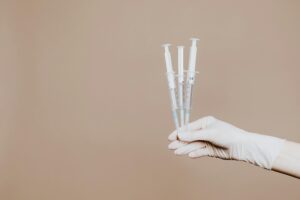

Injectable aesthetic treatments like lipotropic injections, dermal fillers, and cosmetic neuromodulators are widely used to enhance appearance and wellness. Whether you’re focused on correcting fine lines, improving hydration, or boosting metabolic support, aftercare plays a crucial role in healing and protecting your investment. Sun exposure and tanning beds are frequent concerns for patients after any injectable treatment — and understanding when it’s safe to enjoy the sun again can help minimize complications and preserve results.
Why Sun Exposure Matters After Injectables
After an injection, your skin undergoes a minor healing process, even if swelling and redness are subtle. During this phase, the treated area can be more vulnerable to heat, UV radiation, and inflammation.
Many aesthetic clinics advise patients to avoid intense heat and UV exposure immediately after injections. That includes sunbathing and tan beds, because heat and UV light can worsen swelling, prolong bruising, irritate the skin, and, in rare cases, increase the risk of pigmentation changes. For example, injectable aftercare protocols often recommend avoiding intense heat environments such as saunas, hot yoga, and sunbathing or tanning beds until any swelling and redness have resolved.
Sunbathing and Heat Exposure: What the Evidence Says
While sun exposure itself does not directly affect injected substances like lipotropic injections (which work internally) or cosmetic fillers, the skin’s reaction to UV and heat during the healing window is a real consideration. According to aftercare guidelines for facial injections, avoiding intense sun exposure is a standard recommendation. These guidelines advise patients to steer clear of direct sunlight and other sources of heat that can increase blood flow and swelling at injection sites until the initial redness and swelling have faded.
Similarly, aesthetic experts emphasize that sunlight can accelerate inflammatory processes, potentially prolonging recovery after dermal treatments. If the skin becomes overheated from excessive UV exposure, it may feel irritated, making the healing process more uncomfortable.
Tanning Beds: A Clear No
When it comes to tanning beds, the guidance is stronger and more definitive. Tanning beds emit concentrated ultraviolet (UV) radiation that is significantly more intense than natural sunlight and classified as a Group 1 carcinogen — meaning they are known to increase the risk of skin cancer.
Aesthetic professionals frequently caution patients to avoid tanning beds entirely during the post?treatment healing period and even beyond. Because the goal of aesthetic treatment is often to improve skin quality and appearance, exposing the skin to intense artificial UV radiation shortly after an injection can counteract those benefits and increase the risk of long?term skin damage.
General Aftercare Guidance for Sun Exposure
Although specific recommendations may vary slightly between clinics depending on the procedure and location of injections, common aftercare guidelines include:
-
Avoid intense sun exposure and tanning beds until swelling and redness at the injection sites have fully resolved. Many clinics suggest waiting at least several days and sometimes up to 1–2 weeks, especially for delicate areas like lips and perioral regions.
-
Wear broad?spectrum sunscreen (SPF 30+) daily, even on cloudy days, and reapply every 2 hours when outdoors. This protects both treated and untreated skin from UV damage.
-
Use physical sun protection (wide?brimmed hats, long sleeves) in addition to sunscreen, especially if you must be outdoors during peak sun hours.
-
Stay cool and hydrated, which helps reduce swelling and supports skin recovery. Avoid saunas, hot showers, and heated environments for at least the first 24–48 hours after treatment.
Protecting Your Results Long Term
Even after the initial healing phase, consistent sun protection is key to preserving your treatment results and overall skin health. UV radiation contributes to premature aging. Up to 80% of visible skin aging is attributed to sun exposure — making daily SPF an essential habit whether or not you have had a cosmetic procedure.
If you’re planning a vacation, beach trip, or extended outdoor activity after injectable treatments, schedule your appointment early enough to allow for full healing. Be prepared with adequate sun protection before, during, and after sun exposure.
So, What’s The Verdict?
Sun exposure and tanning beds are not inherently dangerous in all circumstances, but timing and protection matter after injectable treatments. Just remember to:
1. avoid intense UV and heat during the critical healing window;
2. use high?quality SPF; and
3. protect your skin from strong sun exposure.
By following these reminders, you can help ensure the best aesthetic result and reduce irritation, swelling, and the risk of pigmentation issues.
Remember to consult your provider for specific recommendations tailored to your treatment type and individual skin needs.
–
Ready to book a consultation with AIVI Aesthetics? Call: (818) 851 9900 | Visit: | Email: info@aiviaesthetics.com | Schedule Appointment
–
You might want to read Lipotropic Injections and Medication Interactions