Collagen Loss and Ozempic: How to Support Your Skin During and After Weight Loss
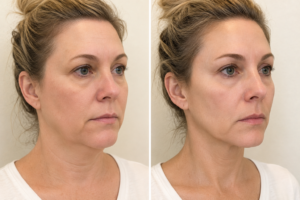
Weight loss can be transformative for your health, confidence, and overall well-being. But for some people using medications such as Ozempic, one unexpected change may show up in the mirror: the face can begin to look thinner, less supported, or more aged than it did before the weight loss.
You may have heard this described as “Ozempic face.”
Despite the popular name, Ozempic itself is not necessarily causing the skin to suddenly lose collagen. Rather, significant weight loss—particularly when it occurs relatively quickly—can reduce facial fat and reveal changes in the skin and underlying facial structure that were previously less noticeable.
The result may be increased facial hollowing, skin laxity, more visible fine lines, or a tired appearance.
The good news is that looking healthier after weight loss does not have to mean looking older. A thoughtful approach to skincare, nutrition, collagen stimulation, and aesthetic treatments can help support the skin as the face and body adjust to a lower weight.
What Is “Ozempic Face”?
Ozempic is the brand name for semaglutide, a GLP-1 receptor agonist approved for the treatment of type 2 diabetes. Semaglutide is also used for chronic weight management under the brand name Wegovy.
GLP-1 medications can help reduce appetite and improve feelings of fullness, which may lead to substantial weight loss for appropriate patients.
When someone loses a significant amount of weight, however, fat is not lost only from the abdomen, hips, or thighs. Facial fat can decrease as well.
This can change the appearance of the:
- Cheeks
- Temples
- Under-eye area
- Jawline
- Lower face
- Neck
Someone who previously had fuller cheeks, for example, may notice more prominent cheekbones but also greater hollowing underneath them. Others may notice that the skin around the mouth or jawline appears looser.
This phenomenon is commonly called Ozempic face, but similar changes can occur after any significant weight loss, whether it is achieved through lifestyle changes, bariatric surgery, GLP-1 medications, or another medically supervised weight-loss program.
Does Ozempic Cause Collagen Loss?
It is important to distinguish between collagen loss and facial volume loss.
Collagen is one of the primary structural proteins responsible for giving skin its strength and support. Our bodies naturally produce less collagen as we age. Sun exposure, smoking, environmental damage, hormonal changes, genetics, and lifestyle factors can further influence the appearance and quality of our skin.
Weight loss primarily changes the amount and distribution of fat underneath the skin.
When facial fat decreases, the skin may no longer have the same underlying support. If the skin already has reduced collagen and elasticity, it may not contract completely around the smaller facial structure.
That can make pre-existing collagen loss much more noticeable.
In other words, the issue is often a combination of:
Facial fat loss + natural collagen decline + reduced skin elasticity.
This is why two people who lose the same amount of weight can look completely different afterward.
A younger person with excellent skin elasticity may experience relatively little laxity. Someone in their 40s, 50s, or beyond may notice more dramatic changes because their skin naturally contains less collagen and elastin than it did decades earlier.
Why Facial Aging Can Become More Noticeable After Weight Loss
A youthful-looking face depends on much more than wrinkle-free skin.
Several layers contribute to facial appearance, including:
- Bone
- Muscle
- Fat compartments
- Ligaments
- Collagen
- Elastin
- Skin thickness
- Hydration
All of these structures change with age.
Over time, facial fat compartments can shift or diminish, bone structure gradually remodels, and collagen production slows. These changes can contribute to hollowing, folds, wrinkles, and skin laxity.
When substantial weight loss occurs on top of these natural aging processes, facial changes may become more apparent relatively quickly.
You might suddenly notice:
Hollow cheeks
Loss of facial fat can reduce the soft fullness of the midface.
Temple hollowing
The temples may appear more concave, which can create a more angular or aged appearance.
Under-eye hollows
Reduced support around the cheeks may make the transition between the lower eyelid and cheek more noticeable.
More visible nasolabial folds
Changes in facial volume and support can make folds around the nose and mouth appear deeper.
Jawline laxity
The lower face may look less defined if the skin does not completely contract after weight loss.
Neck laxity
Loose or crepey skin can become more noticeable underneath the chin and along the neck.
These changes do not mean that losing weight was a mistake. They simply mean that the skin and facial tissues may need time—and sometimes additional support—to adjust.
How to Support Collagen While Losing Weight
The best approach usually begins during the weight-loss process rather than after it is complete.
Supporting the skin early may help maintain its overall quality while your body composition changes.
1. Prioritize Adequate Protein
Protein provides amino acids the body needs for tissue maintenance and repair.
When calorie intake decreases substantially, it can become easier to unintentionally consume too little protein.
This is particularly relevant for people taking GLP-1 medications because reduced appetite may make it difficult to consume the same amount of food as before.
Your appropriate protein intake depends on your age, weight, activity level, health conditions, and weight-loss goals. A physician or registered dietitian can help determine what is appropriate for you.
Rather than focusing only on eating less, think about nutrient quality.
Your body still needs adequate nutrition while losing weight.
2. Avoid Extremely Rapid Weight Loss When Possible
The goal of medical weight management should not simply be to lose weight as quickly as possible.
A sustainable rate of weight loss gives your body time to adapt while helping preserve lean body mass.
Rapid changes in body composition may make loose skin and facial volume changes appear more dramatic.
Weight-loss medications should therefore be used under the supervision of a qualified healthcare professional who can monitor progress, nutrition, side effects, and overall health.
3. Incorporate Resistance Training
Muscle preservation matters during weight loss.
Resistance training can help support lean body mass while fat mass decreases. While exercise cannot directly restore facial fat or tighten loose facial skin, maintaining muscle is important for healthy body composition and long-term metabolic health.
The goal should be improving body composition, not simply achieving the lowest possible number on the scale.
4. Protect Your Skin From UV Damage
One of the most important things you can do for collagen preservation has nothing to do with injections or expensive skincare.
Wear sunscreen.
Ultraviolet exposure contributes significantly to premature skin aging and collagen breakdown.
Daily broad-spectrum sunscreen, protective clothing, sunglasses, and sensible sun avoidance can help protect the collagen your skin already has.
5. Use Evidence-Based Skincare
Skincare cannot replace facial volume, but it can improve the overall quality and appearance of the skin.
Depending on your skin type, a professional skincare routine may include ingredients such as:
- Retinoids
- Vitamin C
- Peptides
- Ceramides
- Hyaluronic acid
- Niacinamide
- Broad-spectrum SPF
Retinoids are particularly well known for their role in improving signs of photoaging and supporting healthier skin turnover.
The right routine should be customized to your skin, especially if you have sensitive skin, rosacea, acne, melasma, or other concerns.
Collagen-Stimulating Treatments After Weight Loss
When skincare alone is not enough, aesthetic treatments may help address some of the changes associated with facial volume loss and declining collagen.
The goal does not necessarily need to be replacing every bit of lost volume.
For many people, the most natural-looking strategy is to improve skin quality and structural support gradually.
Sculptra
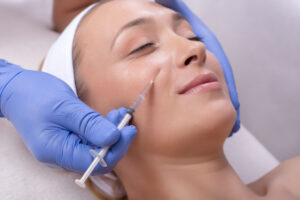
Sculptra is an injectable treatment made with poly-L-lactic acid (PLLA). Rather than functioning only as a traditional filler, it is used to stimulate the body’s own collagen production over time.
This makes it particularly interesting for patients who have experienced generalized facial volume changes and want gradual improvement.
Results develop progressively rather than appearing entirely overnight.
For someone who wants to look refreshed without looking obviously “filled,” collagen biostimulation may be part of a broader treatment plan.
Radiesse
Radiesse contains calcium hydroxylapatite (CaHA) microspheres and can provide structural support while also stimulating collagen and elastin.
Depending on how it is prepared and where it is used, Radiesse may be incorporated into treatment plans for facial structure or skin quality.
Hyperdilute Radiesse is also sometimes used in areas where improving skin firmness and collagen is the primary goal rather than adding significant volume.
Microneedling
Microneedling creates controlled micro-injuries in the skin that initiate the body’s wound-healing response.
Over a series of treatments, this process can support collagen remodeling and improve concerns such as:
- Fine lines
- Uneven texture
- Enlarged pores
- Mild acne scarring
- Overall skin quality
Microneedling will not replace significant facial volume loss, but it can be valuable when the primary concern is skin texture and quality.
RF Microneedling
Radiofrequency microneedling combines microneedling with controlled radiofrequency energy delivered into the skin.
The combination is designed to stimulate remodeling within deeper layers of the skin.
For appropriate candidates, RF microneedling may help improve skin texture, firmness, fine lines, and mild laxity.
CO2 Laser Resurfacing
Fractional CO2 laser resurfacing is another option for patients whose primary concern is skin quality.
CO2 laser treatments create controlled thermal injury within the skin, stimulating a healing and remodeling response.
Depending on treatment intensity and patient selection, fractional CO2 treatments may improve:
- Fine lines
- Wrinkles
- Uneven texture
- Sun damage
- Enlarged pores
- Acne scars
- Crepey skin
Laser resurfacing should always be selected carefully according to skin type, pigmentation risk, medical history, and treatment goals.
What About Dermal Fillers?
Fillers can still have an important role after significant weight loss.
The key is how they are used.
Trying to replace every area of lost facial fat with filler can sometimes create an unnatural result. If the underlying problem is generalized volume loss, skin laxity, and declining collagen, simply adding more filler may not address the entire issue.
A more thoughtful approach may involve small amounts of strategically placed filler for structural support combined with treatments that improve collagen and skin quality.
For example, filler might be used selectively in the cheeks, chin, or other areas where restoring support improves facial proportions.
The goal should not be to recreate the face you had before weight loss.
The goal is to help the face look balanced, healthy, rested, and proportional at your new weight.
Why Combination Treatments Often Work Better
Facial aging rarely has a single cause.
If someone has lost significant weight, they may simultaneously have:
- Volume loss
- Collagen loss
- Fine lines
- Skin laxity
- Sun damage
- Uneven texture
One treatment cannot necessarily address all of those concerns.
That is why modern aesthetic treatment plans increasingly focus on combining modalities rather than repeatedly using a single treatment.
For example, one patient might benefit from collagen biostimulation first, followed by RF microneedling or laser resurfacing to improve skin quality.
Another may need small amounts of structural filler combined with Sculptra.
Someone else may not need injectables at all and may achieve their goals through skincare, microneedling, and consistent sun protection.
The treatment should fit the face—not the trend.
Give Your Face Time to Stabilize
Another important consideration is timing.
Your appearance may continue changing while you are actively losing weight.
If you are still losing significant amounts of weight each month, immediately replacing every area of facial volume loss may not be the best strategy.
Your face can continue evolving as your weight changes.
Once you approach a stable, sustainable weight, it may become easier to determine which changes are temporary and which concerns would benefit from treatment.
This does not mean you cannot care for your skin during weight loss.
Skincare, sunscreen, good nutrition, resistance training, and certain collagen-supporting treatments may still be appropriate.
However, major facial volumization decisions are often easier to make once weight is relatively stable.
The Goal Should Be Healthy Aging, Not Chasing Youth
Weight-loss medications have changed the way many people approach metabolic health and obesity treatment.
Aesthetic medicine is evolving alongside them.
The solution to facial changes after weight loss should not automatically be “more filler.”
Instead, treatment can focus on preserving what makes your face look like you.
That may mean improving collagen, strengthening skin quality, restoring selective structural support, and allowing natural facial movement and proportions to remain intact.
A good aesthetic plan should never make every patient look the same.
It should consider your:
- Age
- Facial anatomy
- Skin quality
- Degree of weight loss
- Current weight stability
- Lifestyle
- Medical history
- Long-term goals
For some people, the best approach may be very minimal. Others may benefit from a multi-step collagen restoration plan over six to twelve months.
There is no universal treatment for “Ozempic face.”
Can You Prevent Ozempic Face Completely?
Probably not in every case.
If you lose a substantial amount of weight, your face is likely to change to some degree. Genetics, age, baseline facial fat, skin elasticity, total weight loss, and the speed of weight loss all influence how noticeable those changes become.
But you can take steps to support your skin throughout the process.
Focus on:
- Appropriate medical supervision
- Sustainable weight loss
- Adequate protein and nutrition
- Resistance training
- Daily sunscreen
- Evidence-based skincare
- Maintaining hydration
- Avoiding smoking
- Collagen-supporting treatments when appropriate
Most importantly, avoid panicking if your face looks different during the middle of your weight-loss journey.
Your body is changing, and your appearance may continue to evolve.
A More Natural Approach to Post-Weight-Loss Facial Rejuvenation
The conversation around Ozempic face highlights an important shift occurring in aesthetics.
Patients increasingly want to look healthy and refreshed rather than dramatically altered.
Instead of simply filling lines or adding volume everywhere, aesthetic providers can evaluate the entire face and determine what has actually changed.
Is the concern primarily volume?
Is it collagen?
Is it skin laxity?
Is it texture?
Or is it a combination?
Answering those questions first allows treatment to become much more precise.
At AIVI Aesthetics, our approach to facial rejuvenation focuses on natural-looking results, skin health, collagen support, and individualized treatment planning. Treatments such as Sculptra, Radiesse, RF microneedling, microneedling, and CO2 laser resurfacing may be considered depending on the patient’s anatomy, skin quality, and goals.
The objective is not to erase every sign of aging.
It is to help the skin and facial structure look healthier and more balanced while preserving the characteristics that make each face unique.
Final Thoughts
Ozempic and other GLP-1 medications can be valuable tools for appropriate patients working toward significant weight-loss and metabolic-health goals. But substantial weight loss can also change facial volume and make existing collagen loss, wrinkles, and skin laxity more noticeable.
That does not mean you need to choose between a healthier weight and a healthy-looking face.
Supporting your nutrition, protecting your skin from UV damage, maintaining lean muscle, using evidence-based skincare, and considering collagen-stimulating treatments can all be part of a comprehensive strategy.
Most importantly, aesthetic treatment after weight loss should be thoughtful.
Sometimes the answer is filler.
Sometimes it is Sculptra or Radiesse.
Sometimes it is microneedling, RF microneedling, or laser resurfacing.
And sometimes the best decision is simply to give the face more time to adjust.
The most successful approach is rarely about doing the most.
It is about understanding what your skin and facial structure actually need and choosing treatments that support natural, graceful aging.
Considering Facial Rejuvenation After Weight Loss?
If weight loss has left your face looking more hollow, lax, or tired than you expected, a personalized assessment can help determine whether the primary concern is facial volume, collagen loss, skin laxity, texture—or a combination.
At AIVI Aesthetics in Agoura Hills, treatment plans are designed around your individual anatomy and skin health with an emphasis on subtle, natural-looking rejuvenation.
AIVI Aesthetics serves patients throughout Agoura Hills, Westlake Village, Thousand Oaks, Calabasas, Oak Park, Newbury Park, Camarillo, Malibu, Conejo Valley, and Woodland Hills.
To schedule a personalized consultation, visit the AIVI Aesthetics website or call (818) 851-9900.
This article is for educational purposes only and is not intended as medical advice. Prescription weight-loss medications and aesthetic procedures should be discussed with qualified healthcare professionals who can evaluate your individual medical history, risks, and treatment goals.