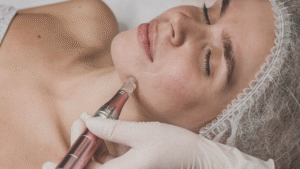
Investing in an advanced facial laser treatment is an exciting, transformative step toward achieving a flawless, radiant complexion. The CoolPeel has revolutionized cosmetic dermatology by offering the incredible benefits of traditional CO2 resurfacing but with significantly reduced downtime. However, as the immediate post-treatment glow fades into a dry, flaky, and heavily textured phase, you might find yourself staring in the mirror, constantly wondering: when can i exfoliate after cool peel?
It is arguably the most common question among patients who are eager to reveal their fresh, luminous skin. While you might be highly tempted to scrub away the flakiness to speed up your final cool peel results, patience is absolutely your best friend during this critical recovery window. Rushing the process can lead to irritation, prolonged redness, and even permanent damage. In this comprehensive guide, we will walk you through the exact timelines, the risks of premature scrubbing, and how to transition safely back to your regular routine.
Understanding the Post-Laser Healing Process
To accurately understand the timeline for exfoliation, you first need to grasp the intricate post-laser skin healing stages. The CoolPeel utilizes advanced fractional CO2 laser technology designed to target superficial skin layers in a highly controlled manner. This precision initiates rapid fractional CO2 laser skin cell turnover. The thermal energy creates microscopic injuries in the skin, prompting your body’s natural immune response to shed damaged, older cells and rapidly replace them with fresh, healthy collagen-rich tissue.
During the first twenty-four to forty-eight hours, you will likely experience mild redness and a sensation akin to a moderate sunburn. As the days progress into the middle of the week, your skin will begin to feel remarkably dry, tight, and rough. This is largely due to transepidermal water loss after laser resurfacing, a temporary state where your skin’s outermost barrier is compromised, allowing internal moisture to escape much more rapidly than usual as it heals.

The Big Question: When Can I Safely Slough Away Dead Skin?
So, when can i exfoliate after cool peel? As a strict general rule at AIVI Aesthetics, you should wait at least 7 to 10 days before attempting any form of active exfoliation. This waiting period is a non-negotiable aspect of proper peel aftercare. You must allow the microscopic crusts (often referred to as MENDs—Microscopic Epidermal Necrotic Debris) to slough off completely on their own time.
But how to tell if skin is healed after resurfacing? You will know your face is ready for the next step when the natural flaking process has completely stopped. If your face still feels raw, looks overly pink, or if there is any visible, active peeling occurring around the mouth or nose, your barrier is still highly vulnerable. The rough texture must resolve naturally. Only when your complexion feels entirely smooth and resilient to a gentle cleanse should you consider modifying your current healing regimen.
The Hidden Dangers: Rushing the Exfoliation Timeline
Patience can easily wear thin when your face feels like a piece of grit paper. You might wonder what happens if you exfoliate too early after laser? The consequences can significantly delay your healing trajectory and potentially ruin your financial investment in the procedure.
Premature exfoliation forcibly strips away the protective crust layer your skin is actively trying to rebuild beneath. If you rush this delicate process, you may notice distinct, uncomfortable signs of compromised skin barrier after treatment. These warning signs include:
- Intense, stinging, or burning sensations when applying even the most basic moisturizers.
- Prolonged, severe redness that mimics a persistent sunburn that simply will not fade.
- Increased post-treatment breakouts, tiny whiteheads, or contact dermatitis.
- Post-inflammatory hyperpigmentation (dark spots), especially prevalent in individuals with medium to deeper skin tones.

Optimizing Your Daily Skincare Schedule
Instead of resorting to harsh scrubbing, you need to adapt your daily skincare schedule to support the natural shedding process. Here is exactly how to handle those transitional days gracefully.
Managing Uncomfortable Texture
When managing sandpaper skin texture after CO2 treatment, heavy, occlusive hydration is your primary weapon. Emphasize the gentle hydration benefits during laser recovery by utilizing a rich, barrier-repairing ointment or a deeply nourishing, fragrance-free ceramide cream. Applying a generous, thick layer traps vital moisture underneath and creates a protective, artificial seal against environmental aggressors while your natural barrier is out of commission.
Your Gentle Transition Protocol
To ensure maximum comfort, follow this safe skincare routine for post-treatment flaking:
- Cleanse With Extreme Care: Wash your face twice daily using a non-foaming, ultra-gentle milky cleanser. Use lukewarm water and only the pads of your bare fingertips. Absolutely do not use washcloths, cleansing brushes, or coarse sponges.
- Soothe and Calm: For effectively soothing redness and sensitivity during the peeling phase, consider applying a cool, damp compress or a pure hyaluronic acid serum directly to damp skin before your heavy moisturizer.
- Moisturize Frequently: Apply your rich recovery cream as often as needed throughout the day. If your face feels tight or itchy, do not scratch or pick at it; simply add another generous layer of moisturizer.
- Prioritize UV Protection: You cannot overlook the absolute importance of broad-spectrum SPF during skin renewal. The new, baby-soft tissue emerging is incredibly delicate and highly susceptible to severe UV damage. Liberally apply a mineral-based sunscreen (containing zinc oxide or titanium dioxide) every single morning, even if you are staying indoors or driving in your car.
Reintroducing Actives: A Step-by-Step Guide
Once the critical 7 to 10-day mark has safely passed, and your complexion has naturally stopped flaking and feeling raw, you can begin to slowly transition back to your normal, active-heavy routine. However, this must be done with extreme caution and gradual implementation.
Selecting the Right Method
When weighing chemical exfoliants vs physical scrubs post-treatment, chemical exfoliants (like gentle lactic acid, mandelic acid, or a mild papaya enzyme) are universally preferred by AIVI Aesthetics. Physical scrubs contain hard, jagged granules that can easily cause microscopic tears in your freshly healed, highly delicate tissue, leading to instant irritation and a massive step backward in your healing journey.
Strict avoidance of alpha hydroxy acids after skin resurfacing is absolutely required for the first week to ten days to prevent chemical burns. Once your barrier is fully restored and intact, what is the recommended waiting period for glycolic acid application? AIVI Aesthetics providers strongly suggest waiting a full 14 to 21 days post-procedure before applying potent AHAs like glycolic acid. Start by applying it just once or twice a week at night. Monitor your skin’s tolerance closely; if you experience any stinging, wash it off immediately and wait another week.
Bringing Retinol Back into the Mix
Retinol and prescription retinoids are fantastic for stimulating ongoing collagen production and maintaining your newly glowing complexion, but they are also notoriously drying and irritating. Follow these simple, methodical steps to safely reintroduce retinol after laser without triggering a massive and uncomfortable inflammation response:
- Wait 14 to 21 Days Minimum: Ensure your skin is completely smooth, highly hydrated, and exhibits absolutely no residual redness or tightness.
- Utilize the Sandwich Method: Apply a light layer of a plain, soothing moisturizer, follow with just a pea-sized amount of your chosen retinol product, and top it off with another robust layer of moisturizer to effectively buffer the chemical intensity.
- Start Unbelievably Slow: Apply your retinol only one single night during the first week back. If no irritation, peeling, or excessive dryness occurs, you may cautiously increase the application to two non-consecutive nights the following week.
Maximizing Your Long-Term Glow
Navigating the delicate days following a fractional resurfacing procedure requires steadfast discipline and a commitment to gentle practices. While the psychological urge to scrub away the rough, flaky texture is undeniably strong, adhering to a strict cool peel after care regimen ensures your precious skin barrier heals safely, evenly, and beautifully over time.
By meticulously respecting the natural cellular shedding timeline, avoiding premature active ingredients, and carefully managing your moisture levels, you will ultimately reveal the radiant, remarkably youthful cool peel results you invested so much time and money to achieve. Trust the biological process, heavily protect your delicate new skin from the sun, and let the advanced laser technology do its transformative work underneath the surface. The unparalleled, luminous, and smooth glow that awaits you at the end of the recovery tunnel is absolutely worth the wait.
Book your appointment today. Call/Text us at (818) 851-9900. Contact us or book online HERE.