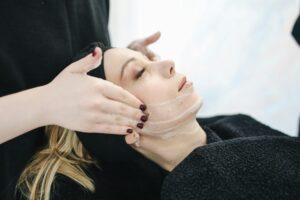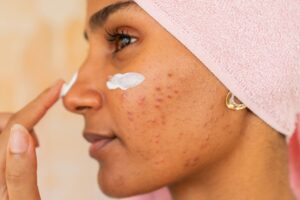
The usual gap between prp sessions for face treatments is about 4 to 8 weeks, with many aesthetic providers planning an initial series around the 4- to 6-week or 6- to 8-week mark depending on skin goals, recovery, and technique. PRP is gradual: it uses platelet-rich plasma from your own blood to support skin repair, collagen activity, and smoother-looking texture rather than creating an instant filler-like change. The best schedule is personal, but spacing treatments correctly matters because your skin needs time to respond between sessions.
What is the best gap between PRP sessions for the face?
A practical answer is that most people are scheduled for 3 to 4 initial PRP facial treatment sessions spaced roughly one month to two months apart, then move into maintenance if they like their results. Published PRP facial rejuvenation studies have used varied schedules, including three sessions at one-month intervals, and reviews repeatedly note that protocols are not fully standardized yet. That means your provider should tailor the interval to your skin, treatment method, and healing pattern rather than treating every face on the same calendar.
The reason the gap matters is simple: PRP does not “work” only on treatment day. Platelets contain growth factors, and PRP is prepared by concentrating platelets in plasma from your own blood before it is injected or applied with microneedling. After treatment, the skin enters a repair cycle, and collagen-related changes build gradually rather than appearing overnight.
A shorter interval may be appropriate in some protocols, especially when the treatment is lighter or part of a planned series. A longer interval may be chosen if you bruise easily, have sensitive skin, combine PRP with microneedling or laser, or simply need more time between appointments. The goal is not to do PRP as often as possible; it is to give each session enough time to trigger a useful response before the next one.

How PRP supports skin rejuvenation
Platelet-rich plasma is often described as a regenerative aesthetic treatment because it uses a processed sample of your own blood. A small amount of blood is drawn, placed in a centrifuge, and separated so the platelet-rich portion can be used on the treatment area. In a facial setting, PRP may be injected with fine needles, applied after microneedling, or used alongside other resurfacing approaches.
The most common PRP facial benefits are subtle improvement in skin texture, radiance, fine lines, and overall skin quality. Evidence is still developing, but a systematic review found that PRP injections may temporarily produce modest improvement in facial appearance, texture, and lines, with the strongest evidence leaning toward texture improvement. It is important to keep expectations realistic: PRP may refresh the look of skin, but it will not recreate the face of years ago or replace every anti-aging treatment.
This is why PRP is often attractive to people who want natural-looking change. It is not the same as filler, which adds volume, and it is not the same as a neuromodulator, which relaxes movement-related lines. PRP skin rejuvenation is more about encouraging the skin’s own repair signals, so improvements tend to be progressive and softer.
A realistic initial PRP facial treatment schedule
Many people begin with a series rather than a single visit. One treatment can be helpful for glow and early texture changes, but a sequence gives the skin repeated stimulation over several months. If you are planning prp injections face treatments for fine lines, dullness, mild crepiness, or acne-scar-related texture, your provider may suggest a schedule like this:
- Consultation and skin assessment Your provider reviews your medical history, medications, skin concerns, and whether PRP is suitable. This step matters because PRP involves needles and blood handling, so safety and sterile technique are essential.
- Session 1: baseline stimulation The first treatment starts the repair process. You may notice temporary redness, swelling, or pinpoint marks, especially if microneedling is used.
- Session 2: commonly 4 to 8 weeks later The second visit reinforces the early collagen and healing response. Your provider may adjust depth, injection points, or aftercare based on how you healed.
- Session 3: another 4 to 8 weeks later By the third session, many patients are looking for improvement in texture, luminosity, and early fine lines rather than dramatic lifting.
- Optional session 4 or maintenance planning Some people stop after three sessions, while others continue if they have more advanced texture concerns or are combining PRP with other treatments.
The exact number of treatments depends on age, skin quality, sun damage, acne scarring, lifestyle, and how aggressive the treatment plan is. Published reviews include protocols ranging from one to several sessions, and the evidence base is limited by differences in preparation, dosing, and treatment technique.
How many PRP sessions are needed for wrinkles and texture?
For prp for wrinkles, a common starting plan is three sessions, with additional sessions considered for deeper texture concerns, more visible aging changes, or under-eye crepiness. Fine lines, skin smoothness, and overall tone usually respond more realistically than deep folds or significant laxity. PRP can be a good option for someone who wants gradual refinement, but deeper wrinkles may require combination care such as resurfacing, filler, or neuromodulators depending on the cause.
For skin texture, PRP is often paired with microneedling because microneedling creates controlled micro-injuries that stimulate collagen formation. The American Academy of Dermatology notes that microneedling can improve the look of scars, wrinkles, tone, and texture, and that microneedling with PRP may improve the body’s ability to make collagen. When treatments are combined, spacing may need to account for both the PRP response and the recovery from the device-based treatment. (aad.org)
Results also depend on what you are trying to improve. Dullness and rough texture may shift earlier, while fine lines and firmness usually take longer because collagen remodeling is slower. If your main concern is lost cheek volume, PRP alone may not be the most direct tool, because it does not behave like a volumizing filler.
What happens during and after each session?
A PRP appointment usually includes a blood draw, centrifuge processing, skin cleansing, numbing, and either injections, microneedling application, or both. The American Academy of Dermatology describes the process as drawing blood, separating it in a centrifuge, and injecting the platelet-rich portion into the face or scalp, with some dermatologists using microneedling as the delivery method. The full visit may take about 45 minutes to an hour, depending on the treatment area and technique. (aad.org)
Afterward, expect temporary redness, swelling, tenderness, tightness, or small bruises. These effects are usually part of the normal needle-and-healing response, but your provider should explain what is expected and what is not. Avoiding harsh actives, heavy exercise, unnecessary sun exposure, and non-approved anti-inflammatory medications immediately after treatment may be recommended, but you should follow the instructions given by your own clinician.
Safety depends heavily on training, cleanliness, and appropriate patient selection. PRP uses your own blood, which may reduce allergy concerns, but the procedure still involves needles and blood products. AAD advises seeing a medical doctor with expertise in skin and cosmetic procedures for treatments such as microneedling, because poor technique can increase the risk of infection, scarring, or long-lasting discoloration. (aad.org)

When a longer or shorter gap may make sense
The “right” interval is not only about the calendar. It is about how your skin responds and what else is included in the plan. A younger patient treating dullness may not need the same schedule as someone addressing etched lines, acne scars, or visible sun damage.
A provider may lean toward a shorter gap, such as around four weeks, when:
- The protocol is light and designed as a close initial series.
- Healing after the first session is quick and uncomplicated.
- The focus is early texture, glow, or mild fine lines.
- PRP is being used in a study-style or clinic protocol that calls for monthly treatments.
A provider may choose a longer gap, such as six to eight weeks or more, when:
- You bruise or swell for longer than expected.
- You are combining PRP with microneedling, laser, or another collagen-stimulating procedure.
- Your skin barrier is irritated, inflamed, or recently sun-exposed.
- You prefer a slower plan because of downtime, budget, or scheduling.
- Your provider wants to assess visible response before repeating treatment.
This is also why maintenance is different from the initial series. Once your skin has completed the first round, you may only need periodic sessions to support results. The exact timing should be based on your goals and response, not a one-size-fits-all rule.
Common timing mistakes to avoid
The biggest mistake is expecting PRP to work like an instant cosmetic fix. Swelling can make skin look temporarily plumper right after treatment, but that is not the final result. True prp skin rejuvenation is slower and more dependent on tissue response.
Another mistake is scheduling sessions too close together because you are eager for results. More frequent treatment does not automatically mean better collagen stimulation, and it may create unnecessary irritation or downtime. On the other hand, waiting too long between early sessions may reduce the momentum of a planned series, especially if your provider intended the treatments to build on one another.
It is also worth avoiding bargain-based decisions. PRP is technique-sensitive, and reputable handling of blood products matters. Ask how the treatment is performed, who performs it, whether injections or microneedling will be used, what side effects to expect, and how the schedule will change if your skin reacts more strongly than expected.
The takeaway on PRP session spacing
For most facial rejuvenation plans, the useful range is about 4 to 8 weeks between PRP sessions, with many people starting with three treatments and adjusting from there. The gap gives your skin time to heal, respond, and begin remodeling before the next round of stimulation. PRP can support smoother texture, softer fine lines, and fresher-looking skin, but the results are gradual and vary from person to person.
If you are considering a PRP facial treatment, use the consultation to build a schedule around your skin rather than chasing the fastest possible timeline. The best plan is steady, safe, and realistic: enough sessions to encourage change, enough time between them to recover, and enough follow-up to decide whether maintenance or combination treatment makes sense.
Visit AIVI Aesthetics
For personalized PRP facial treatments and to discuss the best schedule for your skin rejuvenation goals, visit AIVI Aesthetics. Our address is:
AIVI Aesthetics Skin Health Clinic
Email: info@aiviaesthetics.com
Feel free to call or text us at 818-851-9900 to book your consultation today!