
Malibu Sun, Aging Skin, and a New Way to Repair
Malibu sun is no joke. The long days on the beach, hikes, paddling, and driving along the coast all add up on your skin. Over time, that constant UV exposure can lead to brown spots, redness, crepey texture, fine lines, and skin that just feels tight, dry, and touchy.
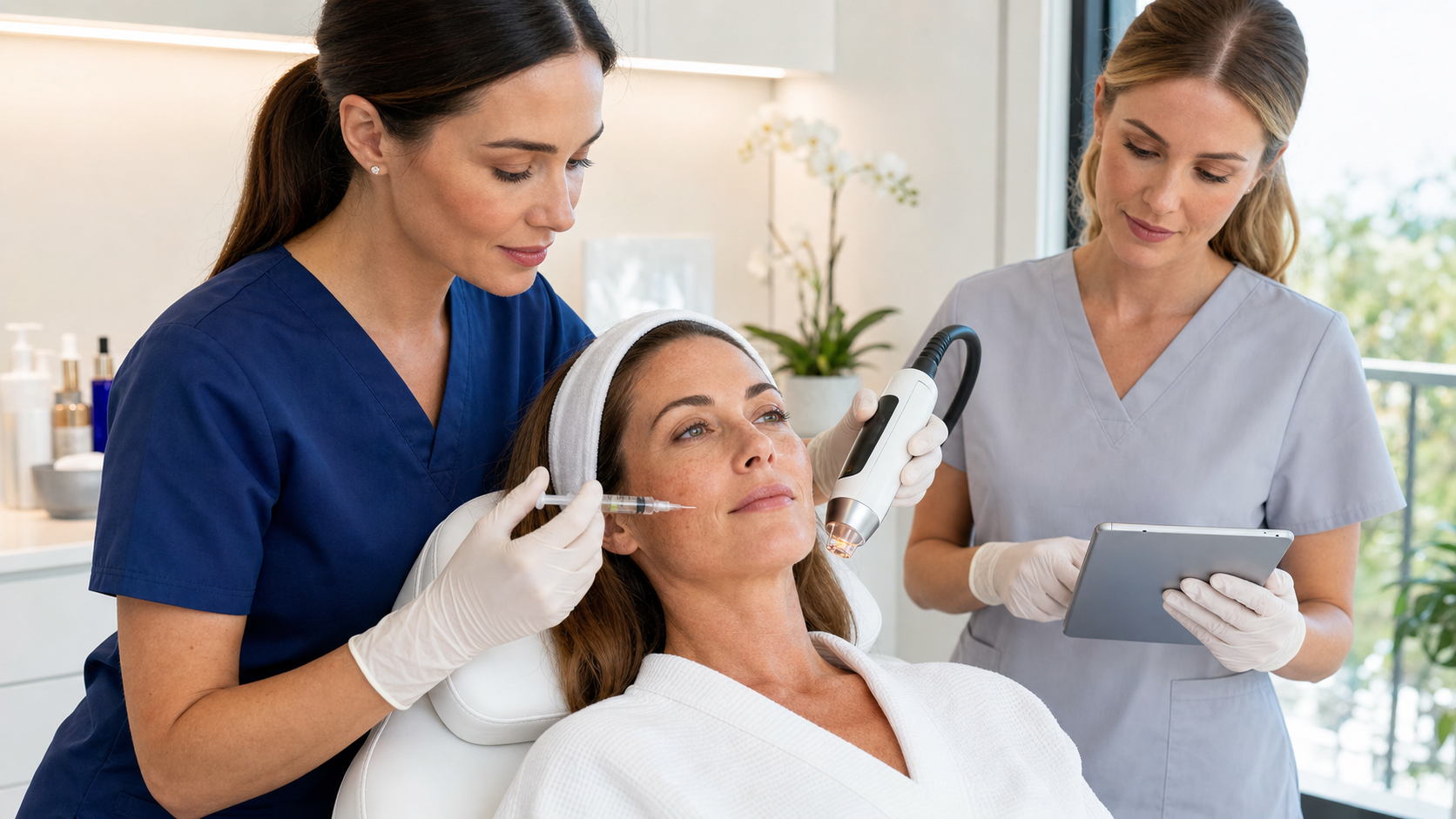
Many people think the only answer is to keep doing stronger laser or radiofrequency treatments. Those can help, but if your skin barrier is already stressed, “more resurfacing” is not always the smartest first move. This is where polynucleotide skin treatment, a type of regenerative skin therapy, steps in. It focuses on repair and support, not just sanding the surface. When we pair it with a gentle fractional laser like CoolPeel, we can address pigment and texture while also helping your skin act younger and calmer over time.
How Polynucleotides Heal Sun-Damaged Malibu Skin
Polynucleotides are tiny fragments of DNA that work like helpful text messages between cells. When placed into the skin, they signal your fibroblasts, which are the cells that help build collagen, elastin, and other supportive structures. They also support a healthier skin barrier, so your skin holds water better and reacts less.
Polynucleotide skin treatment is not a filler and not a quick “tighten me now” tool. It is more like a rehab program for tired, sun-exposed skin. With a series of treatments, many people notice:
- Softer, more even skin texture
- Less crepiness on areas like the cheeks, neck, or under eyes
- A healthier glow instead of dull, flat tone
- Better hydration and comfort
- Less reactive, angry-feeling skin after sun exposure
For Malibu patients, this is especially helpful because:
- Skin is often sensitized from long-term sun, salt, wind, and past procedures
- Redness and blotchiness can become more obvious over time
- Many people want subtle, natural change that fits an outdoor, beach-centered lifestyle
Polynucleotides can be a nice fit when you are tired of feeling like your skin “can’t handle” one more aggressive treatment but you still want progress, not just another moisturizer.
When Lasers or RF Make More Sense Than PN Alone
Lasers and RF microneedling still have a strong place in sun repair. Fractional lasers create controlled micro-columns of heat in the skin to trigger collagen remodeling and surface renewal. RF microneedling uses heat delivered through needles to tighten and thicken the deeper layers.
These devices can be especially helpful for:
- Deeper wrinkles and etched lines, like around the mouth
- Strong, stubborn texture from years of sun
- Mild laxity along the jawline or around the eyes
- Certain types of acne scarring
In some cases, it makes sense to start with a stronger laser or RF-focused plan first, then layer in polynucleotides for recovery and maintenance. That might be the case if you have:
- Thick, “leathery” sun damage that needs structural resurfacing
- Deep lip lines that make lipstick bleed
- Obvious pitted or rolling acne scars
- Heavier wrinkles that do not respond much to skincare alone
Of course, laser and RF come with more downtime. You can expect some or all of the following, depending on the treatment:
- Redness that can last days
- Flaking or peeling as old skin sheds
- Temporary swelling or warmth
- Pigment risks if treatment is done on tanned or darker skin without careful planning
In Malibu, where sun exposure is year-round, timing is key. Stronger resurfacing is usually best when you can avoid intense midday sun, wear hats, and be very faithful with sunscreen as your skin heals.
Best Candidates and Treatment Timelines by Skin Type
Not every skin needs the same plan. We like to match tools to your skin type, history, and schedule.
People who are often great candidates for polynucleotide skin treatment on its own include those with:
- Thin, crepey, or fragile skin
- Early sun damage, mild fine lines, or dullness
- Skin that gets irritated easily or stings with many products
- A history of pigment issues, like melasma or stubborn dark spots
- Limited time for visible downtime
Others do better with a laser-first or RF-centered approach, especially if they have:
- Thick or severely photoaged skin
- Advanced wrinkles and visible etched lines
- Textural acne scars or rough patches you can feel
- Flexibility for some planned redness and peeling
Timelines can look like this:
- Polynucleotides: often a series, for example, every 3 to 4 weeks for several sessions, then spaced out for maintenance. Many people start to see improved glow and comfort within a few weeks, with more change in fine lines and texture over a few months.
- Laser or RF: often grouped into one or a few sessions, planned seasonally. You might choose to do stronger work when you can be extra careful with sun, then let the skin remodel over the next few months.
If you like to be outside all summer, a gentle PN-focused plan in the sunnier months, then more aggressive resurfacing in fall, can work very well.
Pairing PN with CoolPeel for Barrier Repair and Pigment Control
CoolPeel is a form of CO? laser that aims to give many of the benefits of traditional CO? resurfacing but in a more controlled and gentle way. The energy is delivered in short pulses that help limit excess heat in the skin. The goal is to smooth texture, refine pores, and even out pigment with less downtime compared to classic CO?.
For Malibu-style sun damage, CoolPeel can help with:
- Fine lines and small etched wrinkles
- Rough, uneven texture and visible pores
- Light to moderate brown spots and sun blotchiness
- Overall tone and surface brightness
Polynucleotides pair beautifully with CoolPeel. You can think of PN as both prep and recovery support.
Before CoolPeel, PN can:
- Strengthen the skin barrier so it tolerates laser better
- Improve baseline hydration and comfort
- Calm some background redness and sensitivity
After CoolPeel, PN can:
- Support healing and reduce lingering redness
- Help the barrier seal back up more smoothly
- Lower the risk of pigment shifts for some patients
Sample treatment sequences might look like:
- For moderate sun damage: A few PN sessions first, spaced a few weeks apart, then a CoolPeel, followed by one or two more PN sessions to support repair.
- For very active outdoor lifestyles: PN through the bright summer months to keep the barrier strong and calm, then plan CoolPeel or other fractional laser sessions when your schedule allows more sun control.
This kind of layering lets us treat both structure and “skin behavior” at the same time, instead of only chasing spots and lines on the surface.
Your Malibu Skin Game Plan with AIVI Aesthetics
Caring for sun-exposed skin in Malibu is not a one-time project. It works best when you think in terms of a 6 to 12 month plan that fits your real life, including beach days, travel, big events, and how much downtime you can handle.
At AIVI Aesthetics in Agoura Hills, we focus on building that plan with you. We look at your sun habits, current skin health, past treatments, and goals. Then we decide how polynucleotide skin treatment, CoolPeel, and other tools can work together for barrier repair, pigment control, and age-appropriate collagen support. Paired with daily SPF, antioxidants, and gentle barrier-supportive skincare at home, you can help your results last longer and keep new sun damage from showing up as quickly.
Reveal Smoother, Healthier Skin With Advanced Rejuvenation
If you are ready to target fine lines, texture, and dullness at the source, schedule your personalized polynucleotide skin treatment consultation with AIVI Aesthetics today. We will assess your skin, discuss your goals, and design a treatment plan tailored to your needs. To book an appointment or ask questions, simply contact us and our team will guide you through the next steps.